
Table of Contents
- Why Dent Repair Quotes Differ for the Same Damage
- Factors That Change the Price of a Dent Repair
- Step-by-Step: Building a Line-by-Line Quote Comparison
- Red Flags in Unusually Low or High Estimates
- How to Get an Accurate Online Estimate for Dent Repair
- Comparing Mobile Dent Repair and Shop Visits
- Choosing the Quote That Fits Your Dent Repair Estimate Needs
- Frequently Asked Questions
Why Dent Repair Quotes Differ for the Same Damage
Last Updated: November 20, 2026
Two shops can look at the same dent and return quotes hundreds of dollars apart. When that happens, most owners assume one shop is padding the bill. Often the difference comes down to what each estimate includes, not how much the work costs. Learning how to compare dent repair service quotes side by side starts with understanding why the numbers differ in the first place.
A common case is a customer who brings two estimates for a hail-damaged hood and asks why one is nearly double. Often the answer is scope, one quote covers paintless dent repair on the hood only, while another assumes the front fender, headlight trim removal and a repaint.
Common reasons quotes diverge include:
- Different repair methods. Paintless dent repair works from behind the panel and keeps the factory finish. Conventional body work uses filler and refinishing, which takes longer and costs more.
- Different assumptions about access. A dent behind a door panel or along a roof rail may need trim removal, which one provider counts and another does not.
- Different inspection depth. A quick look from the driveway misses hidden damage. A full inspection may add repairs that a rushed estimate leaves out.
- Different labor estimates. Shops set their own hourly rates and time allowances for each dent.
Factors That Change the Price of a Dent Repair
Several factors move the price up or down, and a good quote should show each as a line item you can compare across estimates.
Dent size and depth. A shallow quarter-sized dent on a flat panel is usually a quick paintless repair. A sharp crease or stretched metal takes more time and skill, often working the metal from multiple access points. Depth matters more than diameter: a deep, small dent can take longer than a wide, shallow one.
Dent location and panel access. A dent mid-door is easy to reach from behind. One near a body line, on an edge, or behind a roof rail may require removing interior trim, lights, or glass, and each removal adds labor plus reinstallation. Ask whether removal and reinstallation fees are included or billed separately, and whether the quote assumes access without disassembly.
Vehicle make, model, and panel material. Aluminum panels, high-strength steel, and complex body lines change both method and time, and hard-to-access panels may push the repair toward conventional body work. Paint condition matters too: cracked or chipped finish may rule out paintless repair. A quote that ignores panel material or paint condition may assume an easier repair than your vehicle needs.
Repair method. Paintless dent repair skips filler and repainting and preserves the original finish. Conventional repair may be right when paint is damaged, but the quote should say so. If one estimate is paintless and another conventional, they are not comparable until both options are spelled out for the same panel.
Labor rates and time allowances. Two providers can agree on method and still differ because one estimates two hours and the other four. Ask how many labor hours each allowed per panel, and whether that number is fixed or can change after inspection.
Parts and materials. Paintless repair usually needs no parts, but conventional repair may include filler, primer, paint, and clear coat. If a quote lists parts, ask what they are for and whether they are necessary for the damage shown.
What can change after inspection. A photo estimate is a starting point; hidden damage, paint condition, and limited angles can change it once a technician sees the vehicle. Ask how each provider handles post-inspection price changes and whether they will confirm any change in writing before starting.
Step-by-Step: Building a Line-by-Line Quote Comparison
The most reliable way to compare quotes is to put them into a single worksheet. Here is a simple process we recommend to customers:
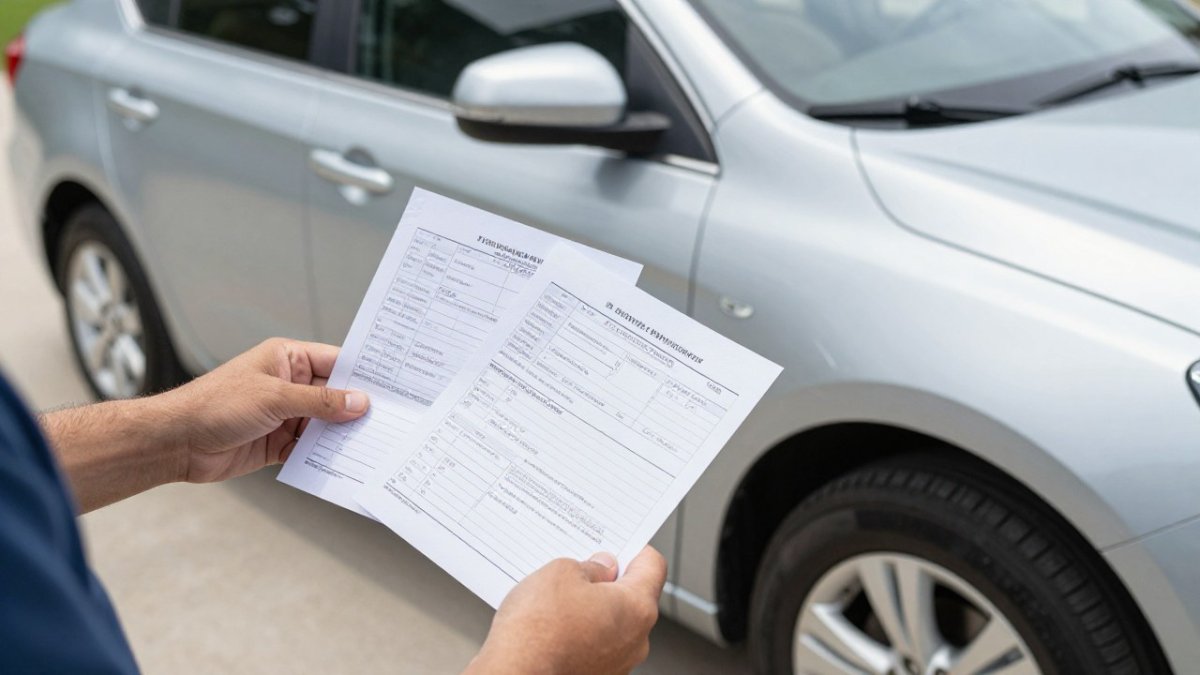
- Collect at least two or three written estimates. Get them in writing, not verbal. Photos of each dent help providers quote the same damage.
- List each damaged area on its own row. Include panel name, dent count, approximate size and any paint condition notes.
- Create columns for each provider. Enter labor, parts, removal fees, paint or refinishing, and other charges per area.
- Mark missing items. Write "not included" rather than leaving a cell blank.
- Total each column. Compare totals only after line items are aligned.
- Note warranty and timeline. Record whether the work carries a warranty, how long it covers, and expected completion time.
Here is a sample layout you can copy into a spreadsheet:
| Line Item | Provider A | Provider B | Provider C |
|---|---|---|---|
| Hood dents (count and size) | Included | Included | Not listed |
| Fender dent | Included | Not included | Included |
| Trim removal | Extra fee | Included | Not listed |
| Paint or refinishing | None | Included | None |
| Warranty | Lifetime | 1 year | Not stated |
| Total | Enter | Enter | Enter |
Filling in this table often reveals that the lowest total is missing a damaged area or a removal fee the others include.
Confirming Each Quote Covers the Same Repair Scope
Scope is where most comparisons break down. Before comparing totals, confirm every provider is pricing the same damage using the same method.
Send each shop the same photos and a short description of every dent, and ask them to list exactly what they will and will not repair. If one quote excludes a panel another includes, call both and ask why, sometimes a dent is outside one technician's scope and within another's.
Confirm the method too. If one quote is paintless and another conventional, they are not comparable until both options are spelled out. Many owners find a hybrid approach makes sense for a single panel, so ask whether the provider can explain each choice.
Red Flags in Unusually Low or High Estimates
An estimate far below the others deserves a closer look. Low quotes can be legitimate, but they often leave out labor, removal fees, or the cost of a later supplement. Watch for vague line items such as "body work" with no detail, and for prices that only apply to the first dent.
Be just as careful with unusually high quotes. An estimate that doubles the others may include unneeded repainting or inflated labor time. Ask the provider to explain each charge and show the photos or measurements behind it. When a high estimate cannot be tied to clear evidence, compare how each shop documents its work, and Tim's Automotive can help you think through the details that make a repair quote reliable.
Other warning signs include pressure to decide immediately, requests for full payment before any work is done, and reluctance to provide a written estimate. A reputable repair provider will answer your questions, put the scope in writing, and give you time to compare.
How to Get an Accurate Online Estimate for Dent Repair
Online estimates can save time, but they work best when the information you provide is complete. Take clear photos of each dent in daylight, from several angles, with a coin or ruler beside it for scale. Include a photo of the whole panel so the technician can see the location.
Describe the vehicle's year, make, model and trim, and note any paint chips, cracks or previous repairs. Mention whether the damage came from hail, a parking lot ding or a collision, since that can affect insurance handling. More detail brings the online figure closer to the in-person quote.
Remember that a photo estimate is a starting point. Confirm it with an in-person inspection before you approve the work, especially if the dents are near body lines or edges.
Comparing Mobile Dent Repair and Shop Visits
Mobile service is one way to get a repair without a trip to the shop, which can suit busy owners. Shop visits may be better for large or complex damage, panels needing full removal, or work requiring a controlled environment. The real question is how to weigh a mobile quote against a shop quote when totals differ, use a framework balancing total cost, risk, and convenience rather than price alone.
Start with scope and method. Before comparing a mobile price with a shop price, confirm that both quotes cover the same panels, the same dent count, and the same repair method. A mobile quote that excludes travel or setup fees is not comparable to a shop quote that includes them. Ask each provider whether the price includes mobile service, and whether the technician will have suitable lighting and a stable work area at your location. If the mobile technician cannot access the back of a panel without a shop lift or specialized tools, the repair may be limited or the price may change.
Weigh total cost, not just the headline number. Add the mobile quote plus travel or setup fees, and compare with the shop quote plus your time and transportation. For a single small dent, mobile convenience may be worth a modest premium. For multiple panels or complex damage, a shop visit may be more efficient since the technician can work several areas in one session.
Assess risk and warranty. Ask both providers what warranty they offer and whether it covers the repair method used. Check what the warranty covers and for how long before you decide. If one quote includes a warranty and the other does not, the lower price may not be the better value.
Consider turnaround time and insurance handling. Complex damage may still require a shop visit. If the repair is part of an insurance claim, ask whether the provider works directly with your insurer and whether mobile service changes how the claim is handled.
Questions to ask before you choose:
- Does the mobile price include travel, setup, or minimum-service fees?
- Will the technician use the same repair method and provide the same warranty as a shop visit?
- What happens if the dent proves deeper or the paint condition requires conventional repair after the technician arrives?
- How long will the repair take, and will the technician confirm any price change in writing before starting work?
Watch out: a mobile quote that is significantly lower than every shop quote may be assuming a simpler repair or excluding a fee that will appear later. Ask for the scope in writing and compare it line by line with the shop estimates before you decide.
Choosing the Quote That Fits Your Dent Repair Estimate Needs
The lowest quote is not always the best value. Start with scope: which quote covers every damaged area you care about? Then look at method, warranty, and timeline. A slightly higher quote that includes removal, inspection and a lifetime warranty may cost less in the end than a bargain that leaves gaps.
Ask each provider these questions before you decide:
- Does the total include all panels, removal fees and reinstallation?
- What happens if the dent proves deeper after inspection?
- What does the warranty cover, and for how long?
- How long will the repair take, and will you provide a rental while you wait?
At 888 PDR, we offer a free inspection and a lifetime warranty on our repairs, and we can help manage insurance claims when hail damage is involved. Use the worksheet above to compare any estimate, and call (469) 284-0336 or request a free quote to see how our written scope lines up with yours.
Frequently Asked Questions
How much should a dent repair cost?
Dent repair pricing depends on dent size, depth, location, panel access, and whether paintless dent repair is viable. Because 888 PDR has not published fixed price figures for this article, the most reliable way to learn your cost is to request a free inspection and a written quote. Compare each quote line by line, confirm the scope matches, and ask what is included in the labor, parts, and any removal or reinstallation fees before deciding.
What should a dent repair estimate include?
A complete dent repair estimate should list each dent by location, size, and depth, state the repair method, and show labor and any parts or removal and installation fees. It should also name the warranty coverage, the expected turnaround time, and whether a rental vehicle is included. If an estimate leaves these items out, ask the provider to add them in writing before you compare it with other quotes.
Can a dent be 100% removed?
Many dents can be fully removed with paintless dent repair when the paint is intact and the metal can be accessed from behind the panel. Dents with cracked paint, sharp creases, or damage in hard-to-reach areas may only be improved rather than fully removed. A reputable estimate will state the expected outcome for each dent, so ask the technician to explain the likely result during the inspection.
