

Quick Summary
To negotiate auto insurance settlements, first confirm whether your claim is first-party or third-party, then document every dent with dated photos and a licensed repair estimate. Reject any offer in writing, attach your evidence, state a net figure, and set a response deadline.
- First-party claims go through your own policy and usually involve your deductible.
- Collect dated photos, a licensed repair estimate, your declarations page, and prior service records.
- Request the itemized estimate and valuation report in writing before you respond to an offer.
- Put every counteroffer in writing with attached evidence, a net figure, and a response deadline.
- Do not sign a release or accept final payment until you understand what it closes.
Table of Contents
- Know the Difference Between First-Party and Third-Party Claims
- Gather Evidence Before You Talk to the Adjuster
- How to Negotiate a Car Accident Settlement Without a Lawyer
- Evaluating the Initial Offer and Calculating a Fair Value
- How to Reject an Insurance Settlement Offer and Counter It
- How to Negotiate a Cash Settlement With an Insurance Company
- Negotiating a Payout for a Totaled Car
- Your Next Step: Getting a Free Inspection for Your Vehicle
- Frequently Asked Questions
Know the Difference Between First-Party and Third-Party Claims
Last Updated: November 21, 2026
First-party claims cover your own vehicle. You work with your own insurer, and your policy's terms set the limits.
Third-party claims cover damage or injury your policy holder caused to someone else.
Why this matters: the rules, timelines, and who you negotiate with all change depending on the claim type.
Watch out: do not assume a hail claim will be paid the same way as a collision claim.
For a plain-language resource on filing, supplements, and choosing your own repair shop in Texas, see our Texas auto hail claim guide.
Gather Evidence Before You Talk to the Adjuster
A strong claim starts with good records, and knowing how to negotiate auto insurance settlements depends on them. Before the adjuster inspects your car, collect what supports your case.
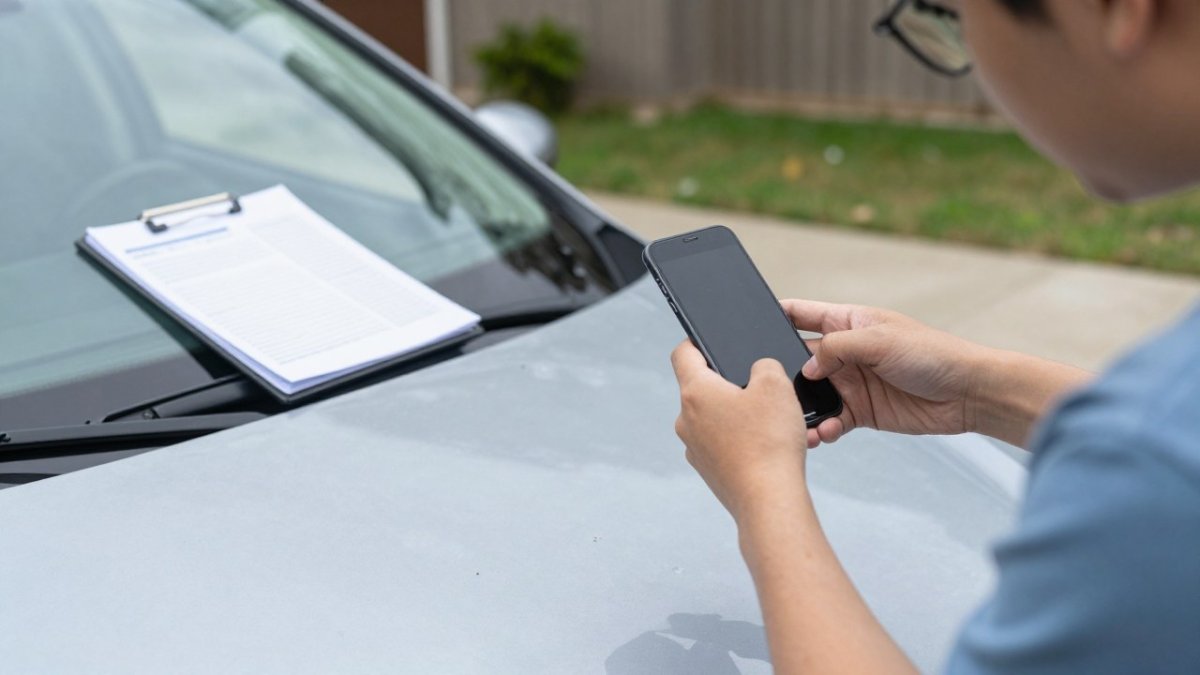
- Photos of every dent, taken in daylight, with a coin or ruler for scale
- Dated photos of the hail storm damage across the vehicle
- The repair estimate from a licensed shop
Photograph each panel from several angles. Dents show up better in low, angled light. Keep copies of everything you send and receive.
Write down the date, time, and name of each person you speak with. To learn what a professional damage assessment includes so you can request the right documentation, see what a professional hail damage assessment includes.
How to Negotiate a Car Accident Settlement Without a Lawyer
You can learn to negotiate auto insurance settlements yourself for many claims, especially straightforward hail damage.
Step 1: Read your policy. Know your coverage limits and deductible.
Step 2: Get your own estimate. Do not rely only on the adjuster's number.
Step 4: Ask for the itemized basis. Ask how the insurer reached its figure, line by line.
Step 5: Counter with evidence. Send your photos and estimate along with your counteroffer.
Evaluating the Initial Offer and Calculating a Fair Value
The first offer is a starting point, not a final answer, but you cannot negotiate against it until you can explain, line by line, why it is wrong. The goal of this section is to turn the insurer's number into a comparable figure you can defend.
Start by requesting the itemized estimate and the valuation report in writing. An adjuster who will only give a lump sum is asking you to negotiate blind.
Separate the claim type before you calculate
The math changes depending on which claim you are in. In a first-party claim under your own policy, your deductible comes off the top and your coverage limits cap the payout. In a third-party claim against another driver's insurer, there is usually no deductible, but the at-fault driver's policy limits can cap what is available, and you may need to pursue your own uninsured/underinsured motorist coverage if those limits are too low.
Build your own number first
Before you look at the insurer's figure, build your own. Use repair estimates from a licensed shop, comparable vehicle listings for a total loss, and documented out-of-pocket costs. Then compare the two side by side.
| Item | Your documented figure | Insurer's figure | Gap and likely reason |
|---|---|---|---|
| Repair labor (hours x rate) | |||
| Parts and materials (OEM vs. aftermarket vs. salvage) | |||
| Paint and finish (including blend panels) | |||
| Rental or loss of use | |||
| Sales tax on repairs | |||
| Diminished value (if covered) | |||
| Subtotal | |||
| Less deductible (first-party only) | |||
| Net payout |
A large gap in one line tells you where to focus. Once you have identified the disputed line, use the same itemized evidence to support your counteroffer and avoid accepting a lowball settlement, as Casedismissed explains.
Check the levers that move the net figure
Four inputs drive most of the difference between offers:
- Labor rate. Insurers often pay a prevailing rate that is lower than what your shop charges. Ask which rate the insurer used and whether your shop will work at that rate; if not, the difference is a real, documented gap.
- Parts type. Aftermarket and salvage parts are cheaper but may not restore the vehicle to pre-loss condition. Check your policy language and your state's parts rules before you concede this line.
- Deductible. In a first-party claim, the deductible is subtracted from the payout, not from the repair cost. Confirm the adjuster applied it once and at the correct amount. For the options that can lower your out-of-pocket cost, see deductible assistance for auto repair.
Total-loss valuation is a separate calculation
If the vehicle is declared a total loss, the payout is based on actual cash value just before the loss, not on repair cost. Ask for the valuation report and check the trim level, mileage, options, and condition ratings against comparable vehicles listed for sale in your market.
Watch out: do not accept a payout before you know the full extent of the damage. Once you sign a release and accept payment, you usually cannot reopen the claim for later-discovered damage or supplements.
Set your minimum acceptable number
Before you counter, write down the lowest net figure you will accept and why. To see how loss-of-use compensation is worked out so you can include it in your demand, read how loss of use fees are calculated.
Calculations vary by claim and by state. Verify your policy's valuation and parts provisions and your state insurance department's rules before you rely on any worksheet figure.
How to Reject an Insurance Settlement Offer and Counter It
Rejecting an offer is normal and expected. What matters is that your rejection is in writing, ties to evidence, and gives the insurer a clear number and a clear deadline. A vague objection invites a vague response.
Structure the written counteroffer
A counteroffer that gets results usually has five parts:
- A clear statement that you are not accepting the offer, with the date and amount of the offer you are rejecting.
- A line-by-line explanation of the gap, referencing your estimate, photos, and valuation comparables.
- Your requested figure, stated as a net number after deductible and within policy limits.
- The evidence attached, listed by name so the adjuster can find each item.
- A response deadline, typically a reasonable business-day window, and how you want the response delivered.
Here is a template you can adapt:
"I am not able to accept your offer of $[amount] dated [date]. Based on the enclosed repair estimate from [shop], the photographs of the damage, and the comparable vehicle listings, the fair repair value is $[amount]. Specifically, your estimate omits [blend panels / OEM parts / rental days], which account for the difference. Please review the attached documents and respond in writing by [date]. If I do not hear from you by that date, I will request a supervisor review."
Send it by email with a read receipt or by certified mail, and keep a copy of everything. A written record is what protects you if the file is reassigned or the story changes.
Ask for the itemized basis before you counter
If the insurer has not given you a line-by-line breakdown, ask for it first. You cannot rebut a number you cannot see. A written request for the itemized estimate and valuation report is a reasonable step and creates a record that you tried to resolve the dispute in good faith.
Escalate when talks stall
If the adjuster will not move, work up the chain in order:
- Supervisor review. Ask for the adjuster's supervisor in writing and restate your position and evidence.
- Appraisal or dispute-resolution provision. Many policies include an appraisal clause for disputes over the amount of loss. Read your policy to see whether it applies and how to invoke it.
- State insurance regulator. If you believe the insurer is handling the claim unfairly, file a complaint with your state insurance department. Complaint processes and timelines vary by state, so confirm the current procedure on the department's website.
Watch out: do not sign a release or accept a final payment until you understand what it closes. A release typically ends the claim, and it can affect liens, future medical treatment, and supplements for hidden damage. If you are unsure what a document waives, get advice before you sign.
Keep the tone professional
Adjusters handle many files, and a calm, evidence-based letter is more likely to be routed for review than an angry one. State the facts, attach the proof, give a number, and set a deadline. That pattern is what separates a counteroffer that gets a revised offer from one that gets ignored.
How to Negotiate a Cash Settlement With an Insurance Company
Some hail claims end with a cash settlement instead of a direct repair. Ask the insurer to clarify whether the payout is:
- A check payable to you, with repairs done by the shop of your choice
- A payment to a repair shop
- A total loss payout based on the car's actual cash value
Before you accept cash, confirm the amount covers your full estimate. Cash settlements can leave you short if the repair costs more than the offer.
Negotiating a Payout for a Totaled Car
If the insurer declares your car a total loss, the payout is based on its actual cash value, which is the market value just before the damage. For a full explanation of what happens to the car and the payout process after a totaling, see what happens when your car is totaled.
Look for errors such as the wrong trim level, mileage, or options. You can dispute the report with documented comparable sales.
Watch out: if you accept a total loss payout, the title and salvage process usually follow. Confirm how your lender and the title transfer are handled before you sign.
Your Next Step: Getting a Free Inspection for Your Vehicle
Hail damage claims go smoother when someone handles the paperwork and the repairs with you. 888 PDR inspects your vehicle for free, works directly with insurance carriers, and manages the claim from first notice of loss through final payment. Our repairs carry a lifetime warranty, and we offer vehicle pickup and delivery plus rental assistance. Call (469) 284-0336 or visit our site to get started.
Frequently Asked Questions
Should I take the first settlement offer from the insurance company?
Usually not right away. The first offer is an opening position, and adjusters often make it before they have full documentation of the damage. Compare it against independent repair estimates, your policy's actual cash value or repair terms, and any out-of-pocket costs you have incurred. If the offer does not cover a documented repair or valuation, reply in writing with your figure and the evidence supporting it. Do not sign a release until you are satisfied the payment covers the full claim.
What should I not say during a settlement negotiation?
Avoid guessing about injuries, repair timelines, or fault, and do not agree to a number on a recorded call before you have reviewed your documents. Do not describe the damage as minor if you have not had it inspected. Keep statements factual and brief, and tell the adjuster you will respond in writing. Anything you say can be used to justify a lower payment, so confirm agreed amounts in writing before accepting them.
How do you counter a low auto insurance settlement offer?
Send a written counteroffer that itemizes each item in dispute, such as parts, labor, paint, rental days, or diminished value where your policy allows it. Attach supporting evidence like repair estimates, photos, and comparable vehicle listings for total loss claims. State your revised figure and a reasonable deadline for response. Keep a copy of every letter and email in your claim file so you have a clear record if the negotiation stalls.
Can you negotiate a car insurance settlement without a lawyer?
Yes. Many vehicle owners negotiate property damage claims directly with the adjuster, especially first-party claims under their own collision or comprehensive coverage. The process works best when you document damage thoroughly, understand your policy limits and deductible, and respond in writing. Injury claims and disputes over fault are more complex, and a consultation with an attorney is worth considering if the offer is disputed or the claim is large.
