Table of Contents
- What a Hail Damage Repair Lifetime Warranty Actually Means
- Hail Damage Repair Warranty Coverage: What's Included
- PDR Warranty Exclusions: What's Not Covered
- New Hail Damage After Repair: Coverage and Responsibility
- Transferable PDR Warranty: What Happens When You Sell
- How to File a Hail Damage Repair Warranty Claim
- How to Read and Compare Warranty Documents
- What Happens If Your Repair Shop Closes or Changes Ownership
- Frequently Asked Questions
Last Updated: October 5, 2026
What a Hail Damage Repair Lifetime Warranty Actually Means
A hail damage repair lifetime warranty is a guarantee that covers defects in workmanship and materials for the life of your vehicle's ownership. It does not cover new hail damage, wear and tear, or damage from other causes.
Here's what matters most: the warranty protects the repair itself, not your vehicle from future storms. If your car gets hit by hail again after repair, that's a new claim.
At 888 PDR, we stand behind every repair with a lifetime warranty.
The key distinction separates two things: the repair quality guarantee and the damage protection. Your warranty covers the former. Insurance or additional coverage handles the latter.
Hail Damage Repair Warranty Coverage: What's Included
Understanding what's covered requires reading the fine print carefully. Most lifetime warranties on hail damage repair cover the specific work performed and the materials used in that repair. This includes labor costs to redo the work if it fails.
Coverage typically includes:
- Repairs that fail due to technician error or poor technique
- Defects in materials used during the repair process
- Work that doesn't hold up under normal vehicle use
- Repairing the same dent if it reappears within the warranty period
What's important to know: coverage is tied to the repair itself, not the entire vehicle panel. If a technician repaired one dent on your door, the warranty covers that specific repair. It doesn't extend to other dents on the same panel or elsewhere on the car.
Paintless Dent Repair and Workmanship Guarantees
Paintless dent repair, or PDR, removes dents without fillers or repainting. A workmanship guarantee on PDR means the technician stands behind the technique used to restore your panel to its original shape.
The guarantee covers:
- Dents that don't fully pop out due to improper technique
- Creases that reappear after repair
- Work that doesn't match the panel's original contour
- Repairs that fail because the technician didn't use proper PDR methods
PDR workmanship guarantees are valuable because they protect your factory finish. Since no paint is involved, the repair preserves your vehicle's original coating. If the dent repair fails, the shop redoes the work using the same paintless method.
Many shops advertise lifetime PDR warranties, but the scope varies. Some cover only the specific dent repaired. Others extend to the entire panel. Always ask which applies to your repair before work begins.
Factory Paint and Panel Integrity Protection
Your vehicle's factory paint is worth protecting. It's engineered for durability and color match that aftermarket paint can't replicate. A warranty that covers panel integrity ensures the repair maintains your car's original finish and structure.
Factory paint protection means:
- The repair doesn't compromise the paint layer
- No fillers or adhesives damage the original coating
- The panel retains its factory finish and appearance
- Resale value isn't affected by repair methods
Panel integrity protection guarantees that the repair method doesn't weaken the panel or alter its structural properties. PDR is ideal for this because it works the metal back to shape without adding material or heat that could damage the paint.
This matters for resale value. Buyers prefer vehicles with original factory paint. A repair that preserves that finish is worth more than one requiring repainting, even if both remove the dent.
PDR Warranty Exclusions: What's Not Covered
No warranty covers everything. Understanding exclusions prevents surprises when you file a claim.
Most hail damage repair warranties exclude:
- New damage from subsequent hail storms or weather events
- Damage from accidents, collisions, or impact
- Wear and tear from normal vehicle use
- Rust, corrosion, or environmental damage
- Damage caused by improper vehicle maintenance
- Modifications made after the original repair
The most common exclusion is new hail damage. If your car gets hailed again, that's a separate claim. The original warranty doesn't extend to fresh damage, even if it hits the same spot.
Some warranties also exclude damage that occurs after you sell the vehicle. If you transfer ownership, the new owner may not have warranty coverage.
Pre-existing damage is another typical exclusion. If a dent was already there before repair, the warranty doesn't cover it. The shop documents the condition before work to prevent disputes.
New Hail Damage After Repair: Coverage and Responsibility
This is where confusion often starts. Many vehicle owners assume a lifetime warranty means protection from future hail. It doesn't.
If your car gets hailed again after repair, that damage is separate from your original repair. Your insurance covers new hail damage, not the repair warranty.
Here's the practical breakdown:
- Original repair fails: The shop's warranty covers it (free repair)
- New hail hits the same spot: Insurance covers it (subject to your deductible)
- Repair shop error causes new damage: The shop's liability may apply (rare, but possible)
The distinction matters for claims. When you file with insurance for new damage, clearly document that it's separate from the previous repair.
One scenario that does get tricky: if a repair was done poorly and that poor work allows new damage to occur more easily, there could be an argument about responsibility.
Transferable PDR Warranty: What Happens When You Sell
Not all warranties transfer to the next owner. Some are tied to the original vehicle owner.
Understanding transferability matters if you plan to sell your car soon. A transferable warranty adds value because the new owner has protection.
Most PDR warranties are non-transferable. The shop guarantees the work to the person who brought the car in.
A few shops offer transferable warranties. This is a selling point.
When selling your vehicle, mention the repair warranty to potential buyers. Even if it's non-transferable, it shows the car was well-maintained.
If you're buying a used vehicle with a previous repair, ask about warranty status.
How to File a Hail Damage Repair Warranty Claim
Filing a warranty claim is straightforward if you follow the right steps. The process protects both you and the shop by documenting the issue clearly.
Document the Damage and Repair Details
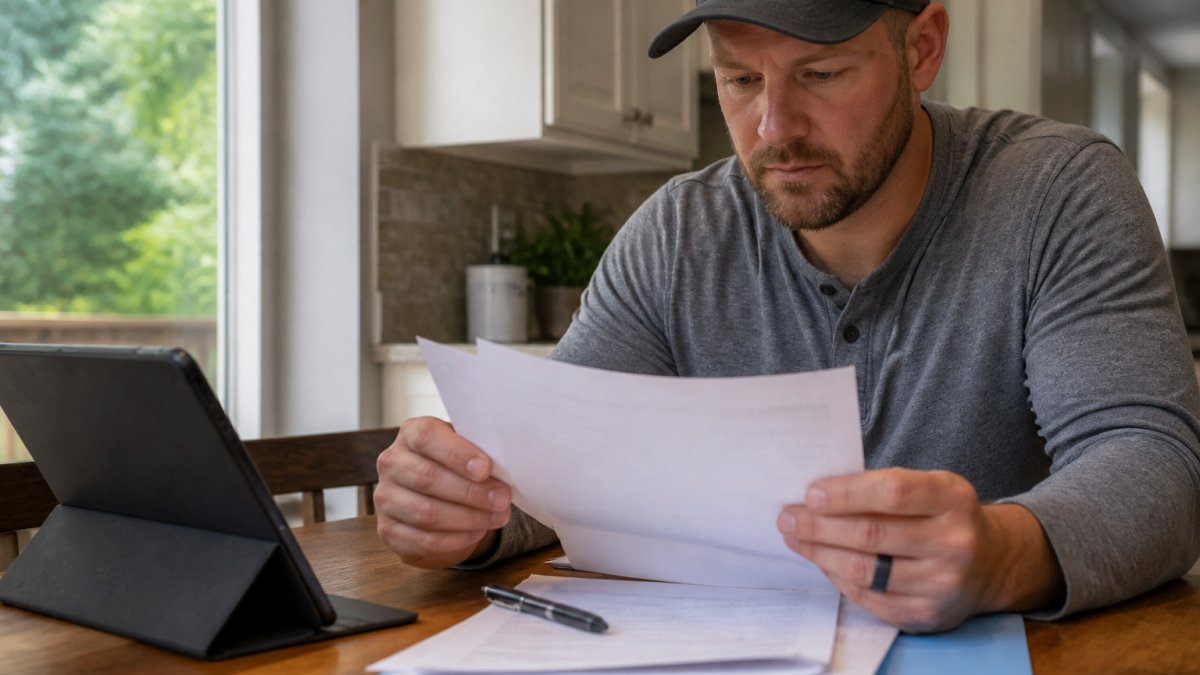
Start by gathering evidence. Take photos and videos of the area in question. Show the dent or damage clearly from multiple angles. Good lighting matters, take photos in daylight and from close range.
Write down details:
- Date you noticed the issue
- Description of the problem (dent returned, paint damage, etc.)
- Original repair date
- Repair shop name and location
- Your warranty documentation
Keep all paperwork related to the original repair. This includes the work order, warranty card, and any written guarantees. These documents prove you have coverage.
If the issue is subtle, take multiple photos. Dent recurrence can be hard to spot. Show the progression if possible, a photo from right after repair compared to now helps prove the dent came back.
Contact Your Repair Shop and Provide Evidence
Reach out to the shop where the repair was done. Call first to explain the issue and ask about the warranty claim process. Most shops have a specific procedure.
When you contact them:
- Reference your original repair order number
- Describe the problem clearly
- Mention your warranty coverage
- Ask what documentation they need
- Request an inspection appointment
Provide the photos and details you gathered. Be factual and specific. Vague complaints like "it doesn't look right" are harder to address than "the dent is visible again in the center of the panel."
Most shops will inspect the repair at no charge. They want to see the issue firsthand. An inspection confirms whether the repair failed or if the damage is new.
Understand Timelines and Resolution Options
The timeline for resolution varies. Most shops aim to address warranty claims within 1-2 weeks of inspection. The actual repair might take a few days, depending on their schedule.
Ask the shop about their process:
- How long does inspection take?
- When can they schedule the repair?
- Will you need a rental vehicle?
- Do they offer pickup and delivery?
If the repair failed, the shop remakes it. You shouldn't pay anything. If the damage is new (from a subsequent hail event), the shop explains this and you'll need to work with insurance instead.
If there's a dispute about whether the repair failed or the damage is new, ask for documentation. The shop should explain their assessment.
How to Read and Compare Warranty Documents
Warranty language can be dense. Knowing what to look for prevents misunderstandings.
Key sections to review:
- Coverage scope: What does the warranty actually cover? (repair workmanship, materials, specific repair types)
- Duration: Is it truly lifetime, or does it expire after a certain period or mileage?
- Ownership requirements: Does it transfer if you sell the vehicle, or does it end with you?
- Exclusions: What's explicitly not covered? (new damage, accidents, normal wear)
- Claim process: How do you file a claim? What documentation is required?
- Resolution timeline: How long does the shop have to address a claim?
Compare warranties across shops using this framework:
| Warranty Element | Shop A | Shop B | Shop C |
|---|---|---|---|
| Covers workmanship | Yes | Yes | Yes |
| Covers materials | Yes | No | Yes |
| Lifetime or limited | Lifetime | 5 years | Lifetime |
| Transferable to next owner | No | No | Yes |
| Covers new hail damage | No | No | No |
| Covers paint issues | No | Yes | Yes |
| Claim inspection fee | Free | $50 | Free |
This table helps you see differences at a glance. A shop offering more coverage for the same price is a better value.
Pay special attention to what's excluded. If a shop excludes paint damage but another covers it, that matters for PDR repairs. Ask why exclusions exist, sometimes they reflect the shop's specialization.
What Happens If Your Repair Shop Closes or Changes Ownership
This scenario creates real problems.
When a shop closes:
- The warranty typically becomes void
- You lose your claim rights with that shop
- Another shop won't honor their competitor's warranty
- You're responsible for any future repairs
This is why choosing an established shop matters.
If a shop changes ownership, warranty coverage may change too. New ownership sometimes honors old warranties, sometimes doesn't. It depends on the purchase agreement.
Protect yourself by:
- Choosing shops with strong track records and longevity
- Getting warranty terms in writing
- Asking about the shop's ownership structure
- Understanding what happens if ownership changes
- Requesting warranty transfer documentation if the shop is sold
Some shops offer warranty insurance. This is a separate product that protects you if the original shop closes.
If your shop closes and you have an unresolved warranty claim, contact your insurance company.
A hail damage repair lifetime warranty is only valuable if you understand what it covers and how to use it.
Frequently Asked Questions
Does a hail damage repair lifetime warranty really mean lifetime coverage?
A lifetime warranty on hail damage repair typically covers workmanship and the repaired area for as long as you own the vehicle, but it doesn't cover new hail damage from subsequent storms or normal wear and tear. The warranty is tied to the original owner in most cases, though some shops offer transferable warranties. Always review the written warranty document to confirm ownership requirements and specific coverage limits.
What does a hail damage repair warranty cover versus what's excluded?
Hail damage repair warranty coverage usually includes workmanship on paintless dent repair, paint finish quality, and panel integrity for the repaired area. Common exclusions are new hail damage after the repair, normal wear and tear, damage from accidents or collisions, and issues caused by improper vehicle maintenance. PDR warranty exclusions may also apply if the vehicle was modified after repair or if damage results from environmental factors unrelated to the original hail event.
Can I transfer my PDR warranty if I sell my car?
Transferability depends on your shop's warranty terms. Some repair shops offer transferable PDR warranties that pass to the next owner, while others limit coverage to the original owner only. A transferable PDR warranty can increase your vehicle's resale value. Before purchasing repairs, ask your shop whether the warranty transfers and request written confirmation in your warranty document.
What happens if new hail damage occurs after my repair is complete?
New hail damage after repair is typically not covered under your original warranty because it results from a subsequent weather event, not a failure of the previous repair. Your insurance may cover new hail damage under a separate claim if you have comprehensive coverage. The distinction between a repair failure (dent recurrence) and new storm damage is important, document the timing and location of any new damage to clarify which warranty or insurance applies.