

Last Updated: November 3, 2026
Quick Summary
You usually don't file a subrogation claim yourself. Report the accident to your own insurer right away, name the at-fault driver and their insurer, and send your evidence in one batch. Your insurer then pursues recovery from the other driver's insurer, which can include your deductible.
- Report the accident to your own insurer the same day if you can.
- Name the other driver, their insurer, policy number and license plate when you report.
- Ask the adjuster to confirm a subrogation request will go to the other carrier, and get a reference number.
- Send the police report, photos, witness contacts, estimates and receipts together in one dated batch.
- Log every contact with date, person and a one-line summary of what was said.
Table of Contents
- What Subrogation Means in Auto Insurance
- When a Subrogation Claim Applies After an Accident
- Step-by-Step: How to File a Subrogation Claim
- What to Do When You Receive a Subrogation Letter
- How Long Insurance Subrogation Takes and How to Track It
- What a Subrogation Claim Is and How to Dispute One
- Your Next Step: Getting Your Deductible and Repairs Handled
- Frequently Asked Questions
When a hail storm or a careless driver damages your car, the insurance process can feel confusing fast. If another driver caused the damage, your own insurer may pay your claim first and then try to recover that money from the at-fault driver's insurer.
Subrogation is the right an insurer has to seek reimbursement from the party responsible for a loss after it has paid its own policyholder. The policyholder usually does not file the recovery claim against the other driver. Their insurer does.
What Subrogation Means in Auto Insurance
Subrogation lets your insurance company step into your shoes after it pays a claim. Once it covers your repairs or other losses, it can pursue the at-fault party's insurer for reimbursement. That may include the amount paid out and sometimes your deductible.
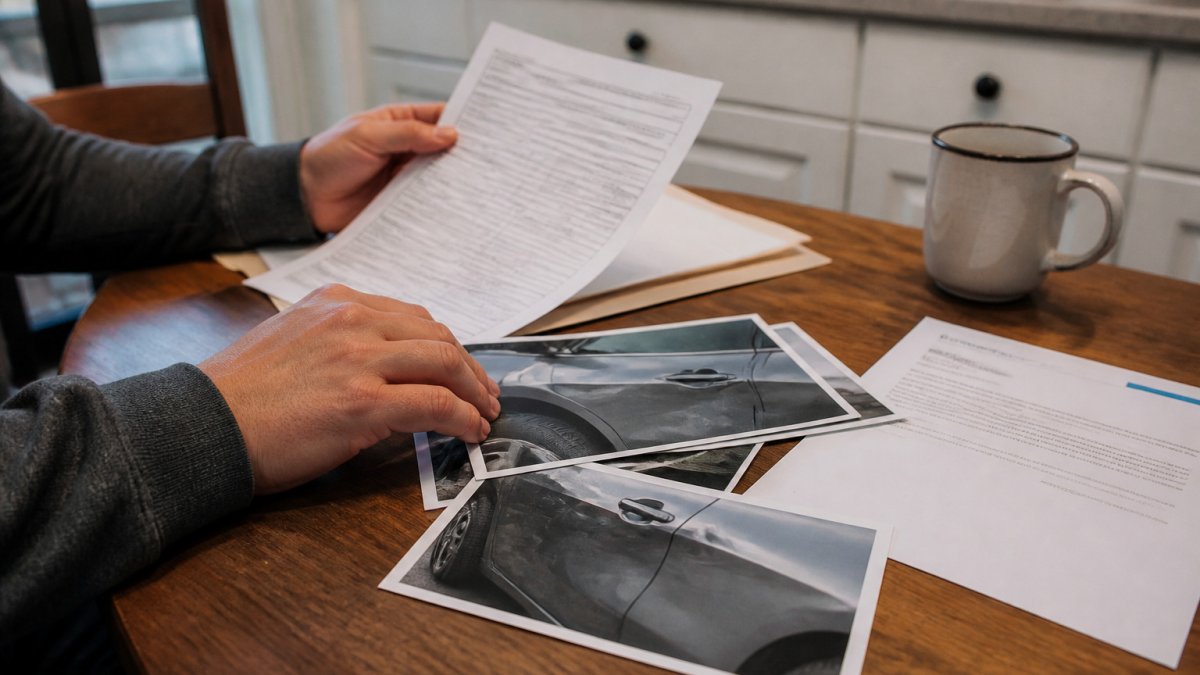
Here is what this usually means for you:
- Your insurer pays for covered damage under your policy, such as collision coverage.
- Your insurer investigates who caused the accident.
- If another driver was at fault, your insurer seeks repayment from that driver's insurer.
A Simple Example of Subrogation
Imagine another driver runs a red light and hits your car. You file a claim with your own insurer, which pays for repairs minus your deductible. Your insurer then sends a demand to the other driver's insurer for the full repair cost. If that insurer pays, your insurer is reimbursed, and you may receive your deductible back.
When a Subrogation Claim Applies After an Accident
Subrogation usually applies when someone else caused the loss. Common situations include:
- A driver rear-ends you or cuts you off.
- A driver runs a stop sign or red light and hits your vehicle.
- An uninsured or underinsured driver damages your car, depending on your coverage.
Fault matters. Some states use comparative fault rules, which can reduce the amount recovered if you share some blame. Speak with your insurer about how fault affects your claim.
Step-by-Step: How to File a Subrogation Claim
You usually do not file a formal subrogation claim yourself. Your insurer does that after it pays your claim. Your job is to start the process cleanly, hand over evidence the recovery team can use, and confirm that a subrogation file actually exists. The steps below are the practical version of that job.
- Report the accident to your own insurer right away. Call the claims line or use the app the same day if you can. Give the date, time, location, and a factual description of what happened. Ask for a claim number and the adjuster's name and direct extension.
- State the liability position clearly but carefully. Say that another driver caused the crash and identify that driver by name, insurer, policy number, and license plate if you have them. Avoid guessing at percentages of fault; give facts and let the adjuster assign liability.
- Ask for subrogation to be opened. Use the word: ask the adjuster to confirm that a subrogation request will be sent to the other carrier. Get the subrogation reference number if one exists, and note the date you asked.
- Submit your evidence package in one batch. Send the police report number, photos, witness contacts, repair estimates, and any rental or medical receipts together rather than dribbling them in. A single dated submission is easier for the recovery team to attach to the demand.
- Confirm what your insurer needs from you. Ask whether they want a recorded statement, a signed medical authorization, or a property-damage release. Provide only what is requested and keep a copy of everything you sign.
- Log every contact. Record the date, the person, the phone number or email, and a one-line summary of what was said. This log becomes your proof if the recovery stalls or a fault dispute arises.
What to Say When You Report the Loss
Keep the first call short and factual. A workable script is: "I was rear-ended at the intersection of Main and 5th on [date] at about [time]. The other driver, [name], admitted the light was red and provided policy number [number]. I have the police report number and photos. I want to open a claim under my collision coverage and ask that subrogation be pursued against the other carrier." Then stop and answer questions.
The Evidence Package That Speeds Recovery
Recovery teams move faster when the demand packet is complete on day one. Gather:
- The police report number and, where available, the report itself
- Photos of all vehicles, the damage close up, the scene, traffic signals, and road signs
- The other driver's name, phone, insurer, policy number, and plate
Watch out: if you give a recorded statement to the other driver's insurer before your own adjuster has the facts, you can create inconsistencies that slow the recovery or reduce it. Route questions from the other carrier through your own adjuster first. For general guidance on documentation and contacting insurers, see general guidance on documentation.
How Partial Fault and Uninsured Drivers Change the Steps
If you share some blame, many states apply comparative fault rules that can reduce what can be recovered in proportion to your share. Your insurer will still pursue the other carrier, but the demand may be discounted.
The steps below can be summarised as follows, so you can see what to do and roughly when. For a practical Texas-specific walkthrough of what to document and what happens next, see what to document and what happens next.
| Step | What to do | Timing |
|---|---|---|
| Report the accident | Call or use the app to report date, time, location and facts | Same day if possible |
| State liability | Name the other driver, insurer, policy number and plate | At first report |
| Ask for subrogation | Confirm a subrogation request will go to the other carrier | At first report |
| Submit evidence | Send police report, photos, witnesses, estimates and receipts together | In one batch, early |
| Confirm requirements | Provide only what is requested and keep copies | As requested |
| Log contacts | Record date, person, contact and a one-line summary | Every contact |
What to Do When You Receive a Subrogation Letter
Sometimes you receive a letter from the other driver's insurer, or your own insurer tells you a recovery effort has started. Do not panic. It is a routine step.
- Read the letter carefully.
- Confirm the claim number and accident date match your records.
- Keep the letter and note any deadlines.
A subrogation letter is not a bill for you to pay. It is notice that a recovery effort is underway.
How Long Insurance Subrogation Takes and How to Track It
Subrogation files can take anywhere from a few weeks to several months to resolve, depending on the circumstances. Straightforward rear-end cases with clear liability and a cooperative other carrier tend to move fastest. Files with disputed fault, injuries, an uninsured driver, or a carrier that is slow to respond can run longer, and some are eventually written off as uncollectible.
Who to Call and What to Ask
You have two contacts: your own adjuster, who owns your claim, and the subrogation unit at your insurer, which owns the recovery. Ask your adjuster for the subrogation reference number and the name of the handler. Then, on each check-in, ask four questions:
- Has the demand been sent to the other carrier, and on what date?
- Has the other carrier accepted, disputed, or ignored it?
- Is my deductible included in the demand, and has any part of it been recovered?
- What is the next scheduled action, and when should I check back?
Keep a Recovery Log
A simple log is the single most useful tool you have. For each contact, record the date, the person, the number or email, and one line on what was said. Note the date you submitted evidence and the date any demand was sent. If the file later stalls or a fault dispute arises, the log shows a clear timeline and makes escalation easier.
When Recovery Is Delayed or Disputed
Delays are common and are not usually a sign that something is wrong with your claim. A dispute over fault or the amount is more serious.
Watch out: do not sign a release or accept a settlement from the other driver's insurer without first confirming with your own adjuster that it will not undercut the subrogation demand or your deductible recovery.
Escalation Steps
If the file sits without movement, ask your adjuster for a supervisor review and put the request in writing. If you believe your insurer has handled the recovery unreasonably, you can contact your state insurance department for guidance. When recovery from the at-fault driver is unlikely, uninsured driver claims may offer another route to consider, depending on the coverage in your policy.
What a Subrogation Claim Is and How to Dispute One
A subrogation claim is the insurer's demand for repayment from the at-fault party's insurer. You can dispute parts of it if you believe the facts are wrong. Common disputes include:
- Who was at fault for the accident
- The amount of the repair costs
- Whether the deductible was included in the recovery request
If you disagree, tell your insurer in writing. Provide your evidence, such as photos, witness statements, or the police report. Your insurer can then respond to the other insurer. If the dispute is not resolved, you may consider contacting your state insurance department for guidance.
Your Next Step: Getting Your Deductible and Repairs Handled
Once your insurer begins recovery, focus on getting your car repaired and your deductible addressed. For legitimate ways to deal with the deductible after a recovery, see legitimate ways to deal with the deductible. To understand deductible assistance options and their legal risks before you decide how to cover the deductible, see deductible assistance options and their legal risks.
If your car has hail or dent damage, 888 PDR can help. Our family-owned team works directly with all insurance carriers and manages the claim from first notice of loss through final payment. We offer a free inspection, a lifetime warranty on repairs, vehicle pickup and delivery, and rental assistance. Call (469) 284-0336 or request a free quote today.
Frequently Asked Questions
How long does it take for an insurance company to subrogate?
Timelines vary widely. Simple claims where fault is clear may settle within a few weeks to a few months after your insurer pays you. Disputed liability, litigation, or claims involving multiple carriers can extend the process to a year or longer. Your insurer is generally the party tracking the recovery, so ask your adjuster for status updates and keep your own records of every contact, including dates and reference numbers.
Can I file a subrogation claim if I was partly at fault?
Yes, partial fault usually does not eliminate recovery entirely. Under comparative fault rules used in many states, your insurer may still pursue the other driver for the share of damages that driver caused. How much is recovered depends on the fault split and your state's rules. Your deductible may be reimbursed in whole or in part once recovery occurs, so ask your insurer how partial fault would affect your deductible.
What should I do when I receive a subrogation letter?
Read the letter carefully, confirm the claim number, date of loss, and the insurer named, and keep a copy. If the letter comes from the at-fault driver's insurer, you usually do not need to accept or sign anything on the spot. Notify your own insurer, provide any requested information, and avoid giving a recorded statement or signing a release until you understand what it covers. If you disagree with the facts, put your objection in writing.
Is subrogation usually successful?
Insurers pursue subrogation on many claims, but recovery is not guaranteed. Success depends on clear evidence of the other driver's fault, the at-fault driver having insurance or assets, and the claim being filed within the applicable deadline. A police report, photos, and witness statements strengthen the recovery effort. When recovery succeeds, your deductible is often refunded, which is why keeping documentation organized can matter for you.
