
Table of Contents
- What Lifetime Warranty on Dent Repair Covers
- Common Exclusions and Limitations
- What Voids a Paintless Dent Repair Warranty
- How to File a Warranty Claim for Dent Repair
- Is Paintless Dent Repair Permanent
- Manufacturer Warranty vs. Shop Lifetime Guarantee
- Warranty Transferability and Resale Value
- Conclusion
Last Updated: August 30, 2026
What Lifetime Warranty on Dent Repair Covers
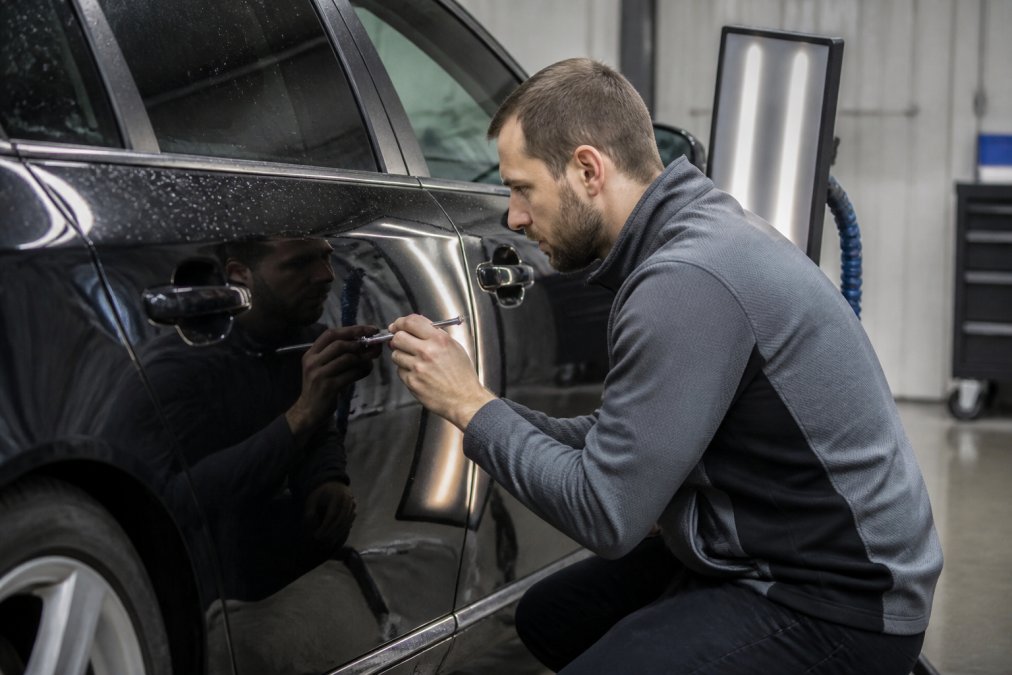
A lifetime warranty on dent repair guarantees coverage of workmanship defects and material failures for the life of the vehicle, provided the repair was performed correctly and damage hasn't resulted from subsequent incidents. Understanding this coverage is essential before committing to any repair shop, especially when dealing with hail damage or cosmetic dents affecting resale value.
"Lifetime" doesn't mean unlimited. Most warranties protect against the shop's mistakes, not new damage, accidents, or environmental factors. At 888 PDR, we stand behind our work with a comprehensive lifetime warranty covering workmanship on all paintless dent repair services, giving customers peace of mind that their investment is protected.
The distinction between covered and excluded damage comes down to how the damage occurred and whether it resulted from the original repair work. A dent reappearing due to poor technique or improper paint adhesion falls under warranty coverage. A new dent from a parking lot accident does not.
The Core Coverage: Workmanship and Materials
Your lifetime warranty covers two primary components: repair work quality and material durability. Workmanship coverage means the technician is responsible if the dent wasn't properly removed or if the repair failed due to improper technique. Material coverage protects against defects in products applied during repair, primer, paint, adhesives, and sealants. If coating blisters, peels, or deteriorates due to manufacturing defects rather than environmental exposure, the shop corrects it at no cost.
Paintless dent repair, which 888 PDR specializes in, carries specific workmanship guarantees. Since PDR removes dents without fillers or repainting, the warranty focuses on whether the dent was properly restored to match the vehicle's factory finish. If the dent reappears because the technician didn't use proper technique or didn't fully restore the panel, that's a workmanship failure covered under warranty.
Workmanship coverage typically extends to incomplete dent removal, improper panel alignment, damage to surrounding areas during repair, and inadequate structural integrity after repair.
Factory Finish Preservation
One of the most valuable aspects of lifetime warranty coverage is preservation of your vehicle's original factory finish, which is particularly important for resale value. Your warranty protects the factory finish integrity against defects introduced during repair. If primer adhesion fails or paint develops wrinkling due to improper application, the shop is responsible for correction. However, the warranty does not cover damage from unrelated sources, road salt, UV exposure, bird droppings, or acid rain are not the shop's responsibility.
A car with its original factory finish intact commands higher resale prices than one that's been repainted (peer-reviewed research). Your lifetime warranty covers the shop's obligation to maintain that advantage throughout the vehicle's ownership.
Common Exclusions and Limitations
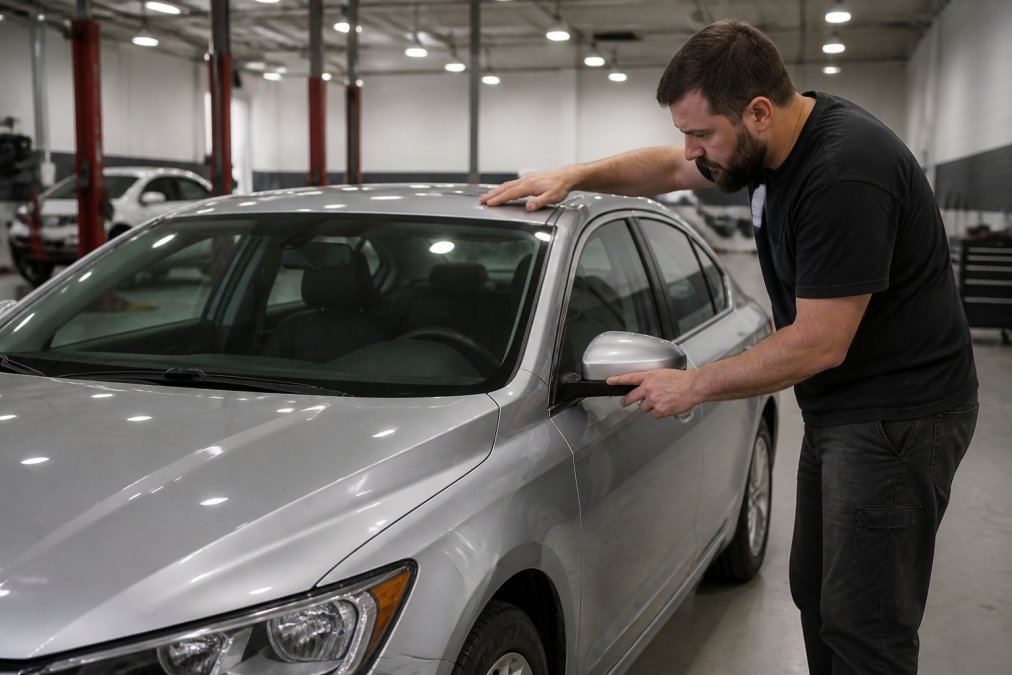
Not everything falls under lifetime warranty coverage. The most common exclusions involve damage occurring after repair, structural damage exceeding cosmetic repair scope, and environmental factors beyond the shop's control.
Most warranties explicitly exclude new damage from accidents, collisions, or parking lot incidents; hail damage occurring after repair; environmental damage (road salt, UV exposure, chemical spills); improper vehicle maintenance; modifications after repair; and damage from unrelated natural disasters.
While "lifetime" suggests indefinite coverage, many shops impose practical limits on how long after repair you can file claims for cosmetic issues. A dent reappearing five years after repair might result from a new incident rather than original work.
Future Damage and Environmental Factors
Your warranty does not cover future damage. If a hailstorm occurs six months after repair, that's a new incident requiring a new insurance claim, not a warranty issue. Environmental factors, road salt, UV exposure, acid rain, industrial fallout, are explicitly excluded from most warranties as acts of nature beyond the shop's control.
Some warranties specify geographic limitations. If you relocate to a different climate zone after repair, certain exclusions might apply. A warranty issued in an arid climate might not cover salt-related corrosion if you move to a coastal area.
Structural Damage and Multiple Dents
Paintless dent repair has limits. The warranty covers cosmetic dents and hail damage within PDR capability. Structural damage, creases altering panel shape permanently, or dents that have cracked paint or damaged underlying metal often fall outside warranty coverage because they may require traditional body shop repair.
Dents exceeding size or depth limitations of paintless dent repair technology are typically excluded from warranty coverage. PDR works best on dents under 10-15 millimeters in depth. Larger dents requiring filler or repainting carry different warranty terms.
What Voids a Paintless Dent Repair Warranty
Certain actions and circumstances void your warranty entirely. The most common warranty killers are improper vehicle care, unauthorized repairs, and damage from accidents or environmental exposure.
Your warranty becomes void if you attempt DIY repairs or use unauthorized technicians, apply aftermarket products to the repaired area without shop approval, the vehicle is involved in an accident impacting the repaired panel, you fail to document the original repair or lose warranty paperwork, or damage is determined to be caused by impact or environmental factors unrelated to the original repair.
Attempting DIY repairs on a warrantied panel is a common warranty killer. If a dent reappears and you try to pop it out yourself or use a suction cup tool, you've likely voided coverage. Using unauthorized products on the repaired area, aftermarket coatings, waxes with harsh chemicals, or ceramic sealants, can void coverage if those products damage the original repair. Always ask the shop what products are safe to use.
Subsequent damage from accidents is the clearest warranty exclusion. If your vehicle is rear-ended three months after repair and the repaired panel is impacted, that new damage is not covered under the original warranty.
How to File a Warranty Claim for Dent Repair
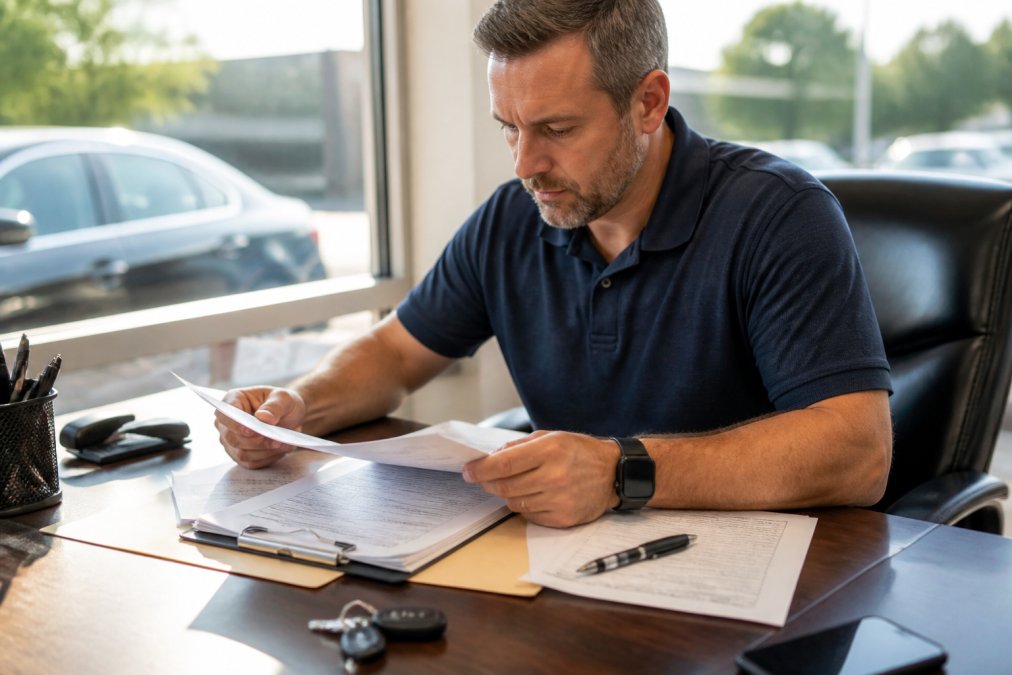
Filing a warranty claim requires clear documentation and communication with your repair shop. Most shops, including 888 PDR, manage the claims process directly, so you're not navigating insurance companies or complex bureaucracy.
Step-by-Step Claim Process
Document the issue first. Take clear photos of the area in question, daylight photos showing the full panel and close-ups of any visible defects. Contact your repair shop as soon as you notice the problem. Provide your repair order number and the date of original repair so they can pull your file.
Schedule an inspection appointment. The technician will examine the repaired area to determine whether the issue falls under warranty coverage. Be prepared to answer questions about vehicle use since repair, any incidents, weather exposure, and products applied to the panel.
If the shop determines the issue is covered, they'll schedule a repair appointment at no cost to you.
Documentation You'll Need
Your original repair order is the foundation of any warranty claim. Keep this document safe, it contains the repair date, specific panels repaired, technician name, and warranty terms. Photographs of the issue are critical; use natural daylight and capture the problem from multiple angles.
Your vehicle's service history helps establish proper maintenance. Insurance documentation may be relevant if the original repair was insurance-backed.
Is Paintless Dent Repair Permanent
Paintless dent repair, when performed correctly by a skilled technician, is a permanent solution for cosmetic dents. The dent is physically removed by carefully massaging the metal back into its original shape from behind the panel. There's no filler, no primer, no paint, just the original metal restored.
The permanence of PDR depends entirely on original repair work quality. A dent removed by an experienced technician using proper technique will not reappear. However, a dent removed hastily or with improper technique might not be fully restored, and gravity or vibration could cause slight depression over time. This is why workmanship warranty coverage exists.
Environmental factors don't cause dents to reappear; they cause cosmetic damage to paint or finish (sae.org). A properly repaired dent won't suddenly return because of sun exposure or road salt. With hail damage, each individual dent is permanent once removed, but future hailstorms could create new dents in the same area, that's new damage requiring a new claim.
Manufacturer Warranty vs. Shop Lifetime Guarantee
A manufacturer's warranty covers vehicle defects, engine problems, transmission failures, electrical issues, not cosmetic damage from hail or dents unless stemming from manufacturing defects. A shop's lifetime warranty covers work performed by that specific shop, guaranteeing correct repair and material durability.
These warranties rarely overlap. Your vehicle manufacturer doesn't cover cosmetic dent repair. Your repair shop doesn't cover manufacturing defects. Each warranty is designed for its specific scope. A shop's lifetime warranty on dent repair covers the shop's work. A manufacturer's warranty covers the vehicle's components.
Warranty Transferability and Resale Value
An often-overlooked aspect of lifetime warranty coverage is whether the warranty transfers to the next owner. This directly impacts resale value, particularly if selling within a few years of repair.
Some shops issue transferable warranties; the next owner inherits coverage if they purchase the vehicle. This is a significant selling point. Other shops issue non-transferable warranties expiring when ownership changes.
888 PDR offers transferable warranty coverage on all paintless dent repair work, meaning the next owner inherits the same lifetime protection. This demonstrates the repair was performed to professional standards and the new owner won't face unexpected repair bills if issues arise. When selling a vehicle with recent cosmetic repairs, warranty transferability is a legitimate selling point that increases buyer confidence.
Understanding what lifetime warranty on dent repair covers protects your investment and gives you confidence in your repair choice. The best warranties are transparent about inclusions, honest about limitations, and backed by shops that stand behind their work. When you choose a repair partner like 888 PDR, you're securing long-term protection that travels with your vehicle. Get a free quote today and learn how our lifetime warranty can protect your vehicle's value.
Frequently Asked Questions
What does a lifetime warranty on paintless dent repair actually cover?
A lifetime warranty on dent repair typically covers the workmanship and materials used to remove dents through the paintless dent repair process. This means if the dent reappears due to improper technique or material failure, the shop will repair it at no charge. The warranty protects the structural integrity of the repair and the factory finish restoration. However, it does not cover new damage from future hail, accidents, or environmental factors. Coverage applies for as long as you own the vehicle, though some warranties may be transferable to subsequent owners depending on the shop's terms.
How do I file a warranty claim for dent repair?
To file a warranty claim, contact the repair shop directly with photos or documentation of the dent reappearance. Provide your original repair invoice and warranty documentation. The shop will typically inspect the vehicle to confirm the issue is covered under warranty terms. If approved, they'll schedule a repair appointment at no cost. Keep all repair paperwork and take photos of any damage promptly. Most shops accept claims through phone, email, or in-person visits. Response times vary, but reputable shops prioritize warranty claims to maintain customer satisfaction.
Is paintless dent repair permanent?
Paintless dent repair is permanent when performed correctly by an authorized technician using proper technique. The non-invasive process restores the panel to its original shape without fillers or repainting, preserving the factory finish and structural integrity. The repair will not fail under normal driving conditions. However, the vehicle itself can sustain new dents from future impacts, hail, or accidents, these are separate damage events not covered by the warranty on the original repair. The permanence of the repair itself is what the lifetime warranty protects.
What voids a paintless dent repair warranty?
Common warranty voids include: attempting DIY repairs or having unauthorized shops modify the repaired area; exposing the vehicle to extreme heat or chemical treatments immediately after repair; failing to follow post-repair care instructions; damage from new accidents or hail events after the original repair; and structural damage that extends beyond cosmetic dents. Some warranties may also exclude coverage if the vehicle was involved in a collision or if the dent involves primer adhesion issues that were pre-existing. Always review your specific warranty terms and follow the shop's care recommendations to maintain coverage.
This article was written using GrandRanker