Table of Contents
- 1. Check Credentials and Certifications of Hail Damage Repair Technicians
- 2. Verify Shop Reputation Through Customer Reviews and Recommendations
- 3. Understand Repair Methods: Paintless Dent Repair vs. Conventional Body Repair
- 4. Request a Hail Damage Repair Estimate and Compare Multiple Quotes
- 5. Navigate the Hail Damage Insurance Claim Process With Your Shop
- 6. Confirm Timeline and Warranty Before You Book Repair Service
- 7. Red Flags: Storm Chasers, Scams, and Shops to Avoid
- Find a Reliable Hail Repair Shop You Can Trust
- Frequently Asked Questions
Last Updated: October 12, 2026
1. Check Credentials and Certifications of Hail Damage Repair Technicians
The first step in finding a reliable hail repair shop is verifying that technicians have the proper credentials and training. Hail damage repair requires specialized skills, especially for paintless dent repair (PDR), which demands years of hands-on experience and often formal certification.
Look for shops where technicians hold I-CAR (Inter-Industry Conference on Auto Collision Repair) certifications, ASE (Automotive Service Excellence) credentials, or PDR-specific training from recognized programs. These certifications indicate that technicians have passed rigorous exams and stay current with industry standards.
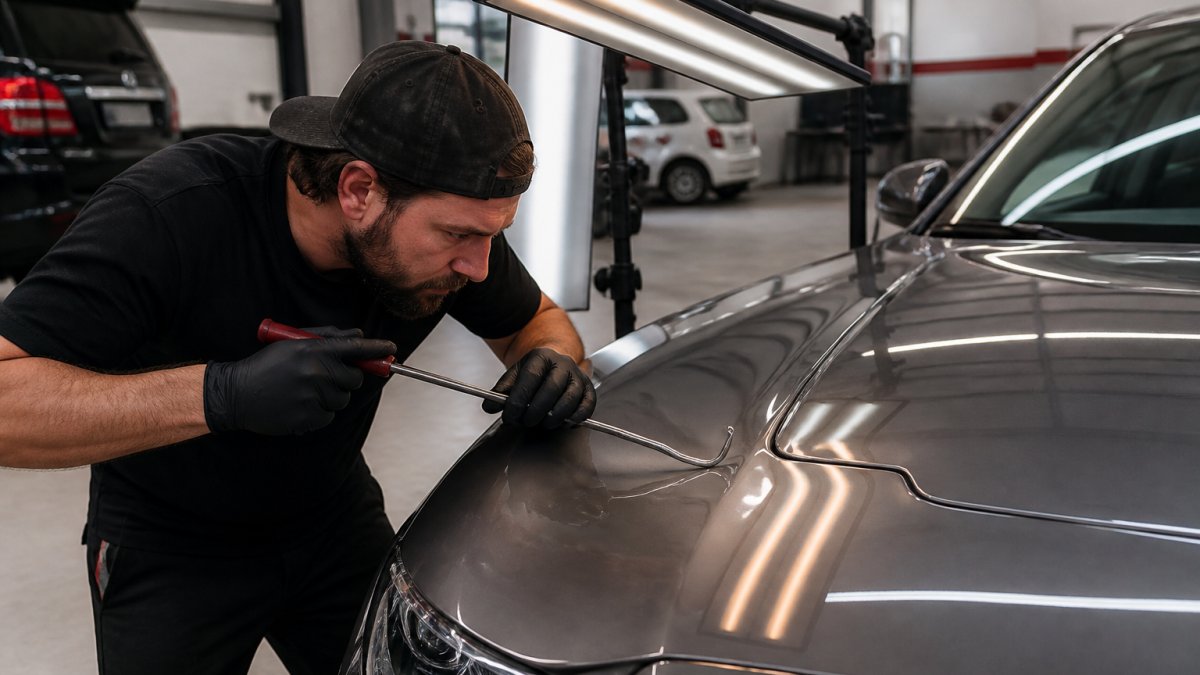
Beyond formal credentials, ask how long technicians have worked in the field. Experience matters enormously in hail repair. A technician with five years of PDR experience can read the damage pattern differently than someone with six months of training.
At 888 PDR, we prioritize ongoing training to stay ahead of evolving vehicle designs and repair techniques. This commitment to expertise ensures that your vehicle receives expert-level care from the moment you bring it in.
2. Verify Shop Reputation Through Customer Reviews and Recommendations
Reputation is the clearest signal of whether a shop delivers on its promises. Start by checking Google Maps, Yelp, and the Better Business Bureau (BBB) for reviews. Read recent reviews carefully, focus on comments about communication, timeline accuracy, and how the shop handled insurance claims.
Look for patterns in the feedback. One negative review doesn't define a shop, but multiple complaints about the same issue (missed deadlines, poor insurance handling, rushed work) signal a real problem. Pay special attention to reviews mentioning hail damage specifically, since that's your situation.
Ask for referrals from friends, family, or coworkers who've had hail damage repaired. Personal recommendations carry weight because they come from people you trust.
When you call shops, ask for references from recent hail damage repairs. A confident shop will provide names and phone numbers of customers willing to discuss their experience. When you call those references, ask specific questions: Did the shop explain the repair method clearly?
3. Understand Repair Methods: Paintless Dent Repair vs. Conventional Body Repair
Hail damage can be repaired using two primary methods, and understanding the difference is crucial for protecting your vehicle's resale value and factory finish.
Paintless Dent Repair (PDR) removes dents without fillers or repainting. Technicians use specialized tools to carefully massage dents back to their original shape from behind the panel. This method preserves your vehicle's original factory finish completely.
Conventional body repair involves using fillers, sanding, and repainting affected panels. While this method can address dents, it introduces non-factory materials and creates a paint layer that differs from the factory finish.
For most hail damage, PDR is the superior choice if the dents haven't creased the metal or damaged the paint itself. If hail has actually cracked or chipped the paint, conventional repair becomes necessary for those specific areas.
The choice between these methods affects your timeline too. PDR typically takes less time than conventional repair because it eliminates sanding and paint curing. When you're comparing quotes, ask each shop which method they recommend and why.
4. Request a Hail Damage Repair Estimate and Compare Multiple Quotes
Never accept the first estimate you receive. Get quotes from at least two or three shops to understand the range of pricing and recommended repair methods. A hail damage repair estimate should break down the work clearly: damage assessment, repair method, timeline, and warranty.
When you request estimates, provide the same information to each shop. Describe the damage consistently, share photos if possible, and mention any insurance involvement. This ensures you're comparing apples to apples. Some shops may offer free inspections and estimates, take advantage of this to get a professional assessment without obligation.
As you review estimates, watch for red flags. An estimate that's significantly lower than others might indicate the shop is cutting corners or using less experienced technicians. Conversely, an unusually high estimate might suggest unnecessary work.
Ask each shop to explain their repair approach in writing. Will they use PDR or conventional repair? Why? How long will the repair take? What warranty do they offer? A detailed estimate shows professionalism and gives you confidence in their process.
| Factor | What to Look For | Why It Matters |
|---|---|---|
| Repair method | Specific technique (PDR or conventional) | Affects resale value and durability |
| Timeline | Realistic completion date | Helps you plan rental or transportation |
| Warranty | Written warranty terms and duration | Protects you if issues arise later |
| Insurance handling | Clarification of deductible and claim process | Reduces your financial stress |
| Included services | Pickup, delivery, rental assistance | Affects total convenience and cost |
5. Navigate the Hail Damage Insurance Claim Process With Your Shop
Insurance claims are often the most stressful part of hail damage repair. A reliable shop will guide you through this process and handle much of the communication with your insurance company directly.
When you choose a shop, ask how they manage insurance claims. Do they work directly with your insurance company? Will they communicate with the adjuster and handle supplements (additional payments when damage assessment increases)? Can they help you understand your deductible and what your policy covers?
Before you authorize any repairs, understand your deductible. This is the amount you pay out of pocket before insurance covers the rest. Some shops can help you navigate whether your deductible applies and may offer payment plans. Ask directly: "How do you handle the deductible situation?" A shop that's transparent about this avoids surprises later.
The insurance adjuster will inspect your vehicle and estimate the repair cost. The shop should coordinate this appointment and be present during the inspection to answer technical questions. If the adjuster's estimate is lower than the shop's quote, the shop may file a supplement request with additional documentation and photos.
6. Confirm Timeline and Warranty Before You Book Repair Service
Before you commit to a shop, get a clear timeline for your repair. Ask: How long will the repair take? When can you pick up your vehicle? Is the timeline affected by insurance claim processing?
Hail damage repair timelines vary based on the extent of damage and the repair method. PDR typically takes less time than conventional repair.
Ask about warranty coverage before you book. What does the shop guarantee? Does the warranty cover the repair work itself, or does it include paint and materials? How long does the warranty last? A lifetime warranty is valuable, but understand what "lifetime" means at that shop.
Get the warranty terms in writing. A written warranty shows the shop stands behind its work and gives you recourse if problems arise. Shops reluctant to provide written warranties should concern you.
If your vehicle requires a rental while repairs are underway, confirm whether the shop covers rental costs or if that's your responsibility. Some shops include rental assistance as part of their service; others don't. This affects your total cost and convenience, so clarify it upfront.
7. Red Flags: Storm Chasers, Scams, and Shops to Avoid
After a major hail storm, storm chasers descend on affected areas offering quick repairs and aggressive sales tactics. These operations are often unreliable and may disappear after taking your money. Watch for these warning signs.
Storm chasers typically use high-pressure sales tactics. They knock on doors, offer unsolicited estimates, and push you to sign contracts immediately. Legitimate shops don't work this way.
Be wary of shops that guarantee they'll handle your insurance claim perfectly or promise to waive your deductible without reviewing your policy. These claims often indicate the shop is filing inflated claims or engaging in insurance fraud.
Avoid shops that won't provide references or detailed estimates. A shop that's vague about their process, technicians, or warranty terms is hiding something.
Check whether the shop is properly licensed and insured. Ask to see their business license and proof of liability insurance. A legitimate shop will provide this information without hesitation.
Finally, don't choose a shop based solely on price. A reliable hail repair shop charges fairly for quality work, not bottom-dollar prices that seem too good to be true.
Find a Reliable Hail Repair Shop You Can Trust
Finding a reliable hail repair shop requires checking credentials, reading customer reviews, understanding repair methods, comparing estimates, and confirming warranties and timelines. The effort you invest upfront saves you stress, money, and protects your vehicle's value.
A trustworthy shop will answer your questions openly, provide written estimates and warranties, handle insurance claims professionally, and stand behind their work. They'll explain the difference between paintless dent repair and conventional body repair and recommend the method that best serves your vehicle and situation.
When you're ready to move forward, 888 PDR offers the expertise and customer-focused service that makes hail damage repair straightforward. We handle the full insurance claim process from start to finish, provide a lifetime warranty on all repairs, offer vehicle pickup and delivery, and use specialized paintless dent repair techniques to preserve your factory finish. Learn more about hail damage repair best practices to understand consumer protections. Call us at (469) 284-0336 for a free inspection and estimate, and experience the difference that professional, transparent service makes.
Frequently Asked Questions
How can I tell if a hail repair shop is reputable?
Check customer reviews on Google Maps and industry sites, verify the shop's credentials and certifications, ask how long they've been in business, and request references from recent clients. A reputable shop will display their warranty in writing, show you their facility, and explain their repair process clearly. Ask about whether they handle claims directly, shops that manage the full process from first notice of loss through final payment are often more reliable.
What should I ask a hail damage repair shop before choosing one?
Ask about technician certifications, their experience with your vehicle's make and model, which repair method they recommend (paintless dent repair vs. conventional repair), how long repairs typically take, whether they offer vehicle pickup and delivery, and what their warranty covers. Request a written estimate that itemizes labor and parts. Ask how they handle insurance claims, do they work directly with adjusters, file supplements if needed, and manage deductible coordination? Understanding their process upfront prevents surprises later.
Should I get more than one estimate for hail damage repair?
Yes. Comparing multiple estimates helps you understand repair costs, identify different repair approaches, and spot outliers. A reputable shop will provide a detailed written estimate that explains the repair method, timeline, and warranty. When comparing estimates, don't just look at price, consider whether the shop recommends paintless dent repair (which preserves factory finish) or conventional repair, their technician qualifications, and whether they handle insurance coordination. Estimates should align on damage scope; large price gaps may indicate different repair methods or quality standards.
Does insurance cover hail damage repair?
Most comprehensive auto insurance policies cover hail damage, though you'll typically pay your chosen deductible (often $500 to $1,500). Your insurer will send an adjuster to estimate damage. A shop experienced in the hail damage insurance claim process will work directly with the adjuster, file supplements if damage exceeds the initial estimate, and help coordinate deductible payment. Review your policy details and contact your insurer to confirm coverage before scheduling repair.
How long does hail damage repair take?
Repair timeline depends on damage severity and repair method. Paintless dent repair typically takes 2-7 working days for moderate hail damage, while conventional body repair with repainting may take 2-3 weeks. Your shop should provide a specific timeline during the estimate phase. Factors affecting duration include parts availability, insurance adjuster scheduling, supplement approvals, and shop capacity. Ask about vehicle pickup and delivery options if you need transportation during repair, many shops offer this service to minimize disruption to your daily routine.