
Table of Contents
- Understanding the Hail Damage Repair Process
- Documenting Hail Damage and Creating a Hail Damage Inspection Checklist
- Filing Your Hail Damage Insurance Claim Process
- The Insurance Inspection and Damage Assessment
- Paintless Dent Repair for Hail Damage vs. Traditional Body Repair
- How Long Does Hail Damage Repair Take
- Managing Repair Estimates and Ensuring Quality Results
- Conclusion: Protecting Your Vehicle's Value
- Frequently Asked Questions
Last Updated: October 10, 2026
Understanding the Hail Damage Repair Process
The hail damage repair process is a comprehensive journey from initial storm documentation through final vehicle restoration and insurance claim closure.
At 888 PDR, we've managed thousands of hail damage claims. The process typically unfolds in distinct phases: immediate documentation, insurance notification, professional damage assessment, repair method selection, the actual repair work, and quality verification. Each step matters. Skip documentation, and your claim gets denied.
The core tension in hail damage repair is this: speed versus preservation. Most vehicle owners want their car back immediately. But the right approach, choosing between paintless dent repair and traditional body repair, depends on damage severity, panel access, and whether the clear coat remains intact. That decision shapes everything that follows, from repair timeline to final cost.
Documenting Hail Damage and Creating a Hail Damage Inspection Checklist
Document your vehicle's damage within 24 hours of the storm. This is non-negotiable. Insurance adjusters expect timestamped photos and a detailed inventory before they'll authorize repairs.
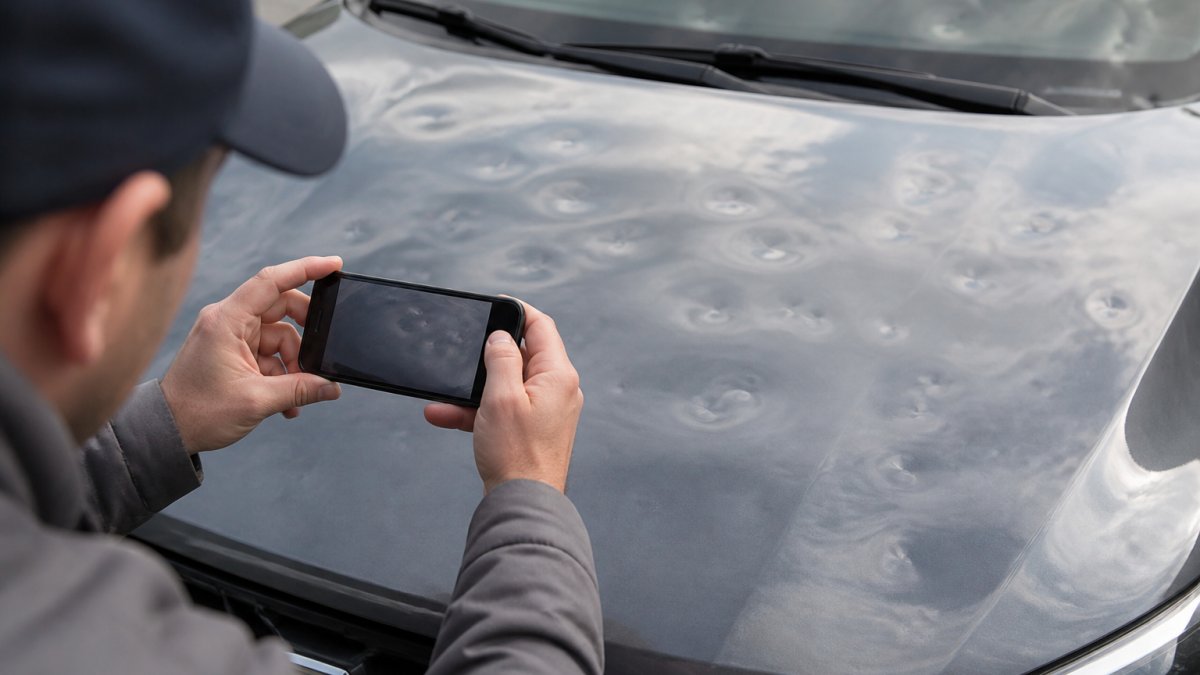
Start with exterior photos from multiple angles: hood, roof, trunk, all four doors, and quarter panels. Capture wide shots showing the overall damage pattern, then zoom in on individual dents. Include the vehicle's VIN plate and odometer in at least one photo to establish authenticity.
Create a written checklist as you inspect:
| Damage Type | Location | Severity | Notes |
|---|---|---|---|
| Dent | Hood, driver side | 2-3 inches | Multiple impacts |
| Crease | Roof, center | 1-2 inches | Linear damage |
| Paint damage | Door, passenger | Surface only | Clear coat intact |
| Crease | Trunk lid | 3-4 inches | Severe impact |
Note whether paint appears cracked or if you can see bare metal. Check for damage to windows, trim, and weatherstripping, hail often causes secondary damage beyond dents.
Store all photos and documentation in a folder. You'll reference this repeatedly during the claims process.
Filing Your Hail Damage Insurance Claim Process
Contact your insurance provider within 48 hours of the hail event. Most policies require prompt notice; delays can complicate approval. Have your policy number, vehicle details, and damage photos ready when you call.
Your insurer will assign a claims adjuster and schedule an inspection, typically within 5-7 business days. During this call, provide a brief summary: "My vehicle sustained hail damage on [date] during a severe storm.
The insurer may offer a choice of repair shops or allow you to select your own. If you choose your own, confirm that the shop is authorized to work with your insurance carrier and understands the claims process.
When you file, provide:
- Date and location of the hail event
- Timestamped damage photos
- Your vehicle's year, make, model, and VIN
- Your policy number
- Description of damage (dents, creases, paint damage)
Don't assume the insurer will pay for a rental vehicle automatically. Ask explicitly about rental coverage under your policy. Some policies include it; others require you to pay out of pocket. Many repair shops offer rental assistance as part of their service.
Delaying your claim notification can result in denial. If you wait more than 30 days to report hail damage, some insurers may argue the damage came from a different event or resulted from poor maintenance. File immediately, document everything, and keep copies of all correspondence.
The Insurance Inspection and Damage Assessment
The insurance adjuster's inspection is the pivotal moment in your hail damage repair process. This is where the insurer determines what they'll pay for and authorizes the repair shop to proceed.
The adjuster will photograph your vehicle, measure dents, and assess whether panels need replacement or can be repaired. They'll evaluate paint condition, check for structural damage, and estimate total repair cost.
Here's what happens next: if the repair estimate exceeds the damage assessment, the shop must request a supplement, additional authorization for the extra cost.
Prepare for the inspection by ensuring your vehicle is accessible and clean. Don't wash off hail marks; let the adjuster see the raw damage. Provide your damage photos and checklist.
At 888 PDR, we handle all communication with the adjuster on your behalf. We document damage thoroughly, request supplements when necessary, and keep you informed at every stage.
Paintless Dent Repair for Hail Damage vs. Traditional Body Repair
The choice between paintless dent repair (PDR) and traditional body repair determines your repair timeline, cost, and whether your vehicle's factory finish survives intact.
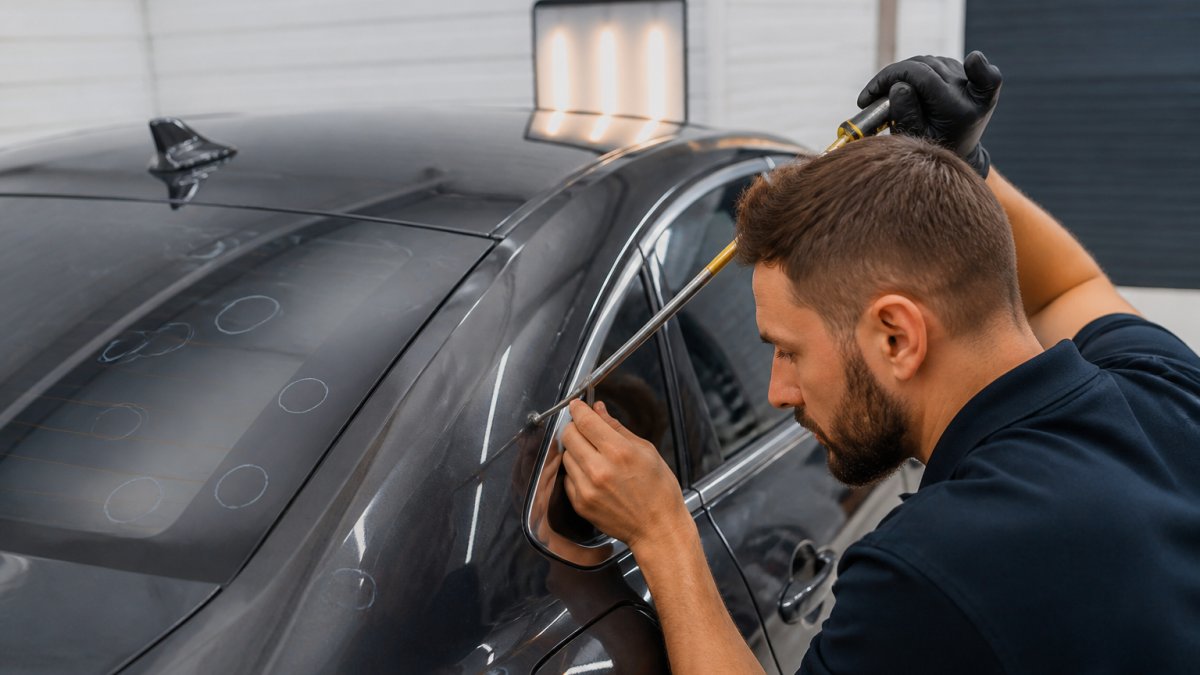
Paintless dent repair removes dents without fillers, sanding, or repainting. A technician accesses the back side of the panel, applies precise pressure, and massages the dent out. The original factory paint remains untouched.
Traditional body repair involves filling dents with body filler, sanding smooth, priming, and repainting. This method is necessary when dents are severe, panels lack rear access, or the clear coat is already compromised.
The decision hinges on three factors:
- Dent severity: Small dents (under 2 inches) respond well to PDR. Large creases or severe impacts often require filler and repainting.
- Panel access: Hoods and doors are accessible for PDR. Quarter panels and areas near structural components may require traditional repair.
- Paint condition: If the clear coat is cracked or the paint is already damaged, PDR won't help, you'll need repainting anyway.
At 888 PDR, we assess each panel individually and recommend the repair method that preserves your vehicle's value. For most hail damage, a combination approach works best: PDR for accessible, minor-to-moderate dents; traditional repair for severe damage or areas without rear access.
How Long Does Hail Damage Repair Take
The timeline for hail damage repair depends on damage severity, repair method, and current shop capacity.
Paintless dent repair typically takes 2-5 days for moderate hail damage (10-20 dents). Severe hail events with 50+ dents across multiple panels may require 1-2 weeks. The advantage of PDR is predictability, once the technician begins, the timeline is straightforward.
Traditional body repair takes longer: 7-14 days for moderate damage, 2-3 weeks for severe cases. This includes disassembly, filling, sanding, priming, painting, and curing time. Paint must cure properly before reassembly, which adds days you can't compress.
Factors that affect timeline:
- Shop backlog: After major hail events, repair shops get overwhelmed. A shop with 50 vehicles ahead of yours will take longer than one with five.
- Parts availability: If panels need replacement, you're waiting for parts delivery, potentially adding 1-2 weeks.
- Insurance supplement requests: If the initial estimate is too low, the shop requests additional authorization. This back-and-forth adds 3-5 days.
- Paint curing: Repainting requires climate-controlled curing. Cold or humid weather slows the process.
At 888 PDR, we manage expectations upfront. We provide a realistic timeline based on your specific damage and current workload. We also offer vehicle pickup and delivery, so you're not without transportation while repairs are underway.
Managing Repair Estimates and Ensuring Quality Results
Once the insurance adjuster completes their inspection, the repair shop prepares a detailed estimate. This document becomes the authorization for work and the basis for insurance payment.
Review the estimate carefully. It should itemize each damaged panel, specify the repair method (PDR, filler, or replacement), and list labor hours. Compare it against the insurance adjuster's assessment.
Supplements are normal in hail damage repair. As technicians begin work, they often discover damage hidden by overlapping dents or damage that only becomes visible once the vehicle is disassembled.
Before work begins, confirm:
- Which panels will be repaired vs. replaced
- Whether PDR or traditional repair will be used for each panel
- Labor timeline and completion date
- What's included in the warranty (lifetime coverage is standard for quality shops)
- Your deductible amount and whether the shop can help navigate it
After repairs are complete, request a quality inspection. Walk through the vehicle with the technician. Check panel gaps, paint finish, and dent removal under different lighting.
At 888 PDR, we include a final inspection with every repair. We photograph the completed work, verify all dents are removed, and ensure paint blending is seamless. Our lifetime warranty covers any issues that arise.
Conclusion: Protecting Your Vehicle's Value
Hail damage threatens your vehicle's resale value and structural integrity. The right repair process, from immediate documentation through final quality verification, determines whether your car emerges looking factory-fresh or permanently compromised.
The challenge most vehicle owners face is navigating insurance claims while ensuring their repair shop prioritizes preservation over speed. At 888 PDR, we handle the entire hail damage repair process for you.
The National Association of Insurance Commissioners provides guidance on insurance claim rights
Get a free inspection from 888 PDR. We'll assess your hail damage, recommend the best repair approach, and guide you through the insurance claim process with zero stress. Call us at (469) 284-0336 or visit our facility at 4707 LBJ Freeway in Dallas to get started.
Frequently Asked Questions
What are the first steps to take immediately after hail damage occurs?
Move your vehicle to a safe location away from further weather exposure. Document all damage with clear photographs from multiple angles before cleaning or moving anything. Contact your insurance provider within 24-48 hours to report the hail damage and start the claim process. Do not attempt repairs or remove debris before the insurer's adjuster inspects the vehicle, as this can complicate your claim.
How do I prepare for a hail damage insurance inspection?
Gather your claim documentation, photos, and a detailed hail damage inspection checklist noting all visible dents, creases, and paint damage. Have your vehicle clean but undamaged so the adjuster can assess each panel clearly. Prepare a list of questions about the damage estimate and be present during the inspection to discuss any concerns. Ask the adjuster to document their findings thoroughly so you have a clear record of their assessment.
Is paintless dent repair suitable for all types of hail damage?
Paintless dent repair works well for most hail damage because it removes dents without fillers or repainting, preserving your factory finish and resale value. However, if hail has cracked the clear coat, damaged the paint surface, or dented areas with no access behind the panel, traditional body repair may be necessary. A technician can evaluate your specific damage during a free inspection to determine which repair method will deliver the best results.
How long does hail damage repair typically take?
Repair timeline depends on damage severity and the repair method chosen. Minor hail damage using paintless dent repair may take 1-3 days, while extensive damage requiring panel replacement or repainting can take 1-2 weeks or longer. Rental vehicle assistance is available so you're not without transportation. Delays can occur if supplements are needed or if parts must be ordered, so discuss realistic timelines with your repair shop when you schedule.
What if the insurance estimate doesn't cover the full repair cost?
If your damage assessment reveals additional damage after the initial estimate, your repair shop can file a supplement with the insurance company. Many shops handle this process directly with your insurer. If there's a significant gap, discuss whether your deductible applies and explore options with your repair provider. A reputable shop will work with your insurance company to ensure proper coverage and won't leave you with unexpected bills.
How do I verify that hail damage repairs were completed correctly?
Request a final quality inspection before you pick up your vehicle. Check that all documented dents have been removed, paint matches across panels, and no new damage occurred during repair. Ask the technician to walk you through the work. Reputable shops offer warranties on their repairs, so confirm what's covered and for how long. Keep your repair documentation and photos for your records and future resale.