
Table of Contents
- Why Hail Damage Requires Quick Action
- Immediate Risks: What Happens in the First Days
- How Long Can You Wait to File a Hail Damage Claim
- Progressive Damage: Weeks and Months Without Repair
- Driving With Unrepaired Hail Damage: Safety and Resale Impact
- How to Document Hail Damage for Insurance
- Hail Damage Repair Timeline and Next Steps
- Frequently Asked Questions
Last Updated: October 19, 2026
Why Hail Damage Requires Quick Action
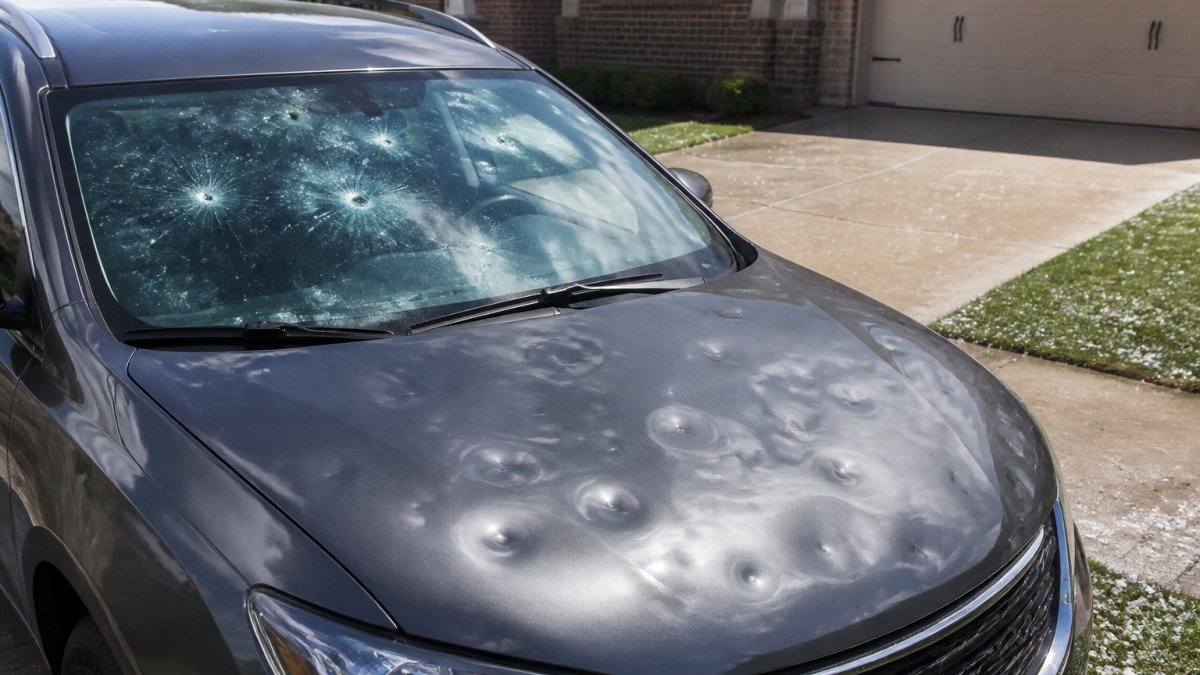
Hail creates small dents and cracks that break through protective layers, exposing metal, and once that happens, the damage accelerates, making hail damage repair quickly essential to prevent costly secondary damage.
The first week is critical: moisture seeps into cracks, rust forms, and metal oxidizes, turning a minor dent into a structural problem.
The damage doesn't stabilize, it compounds.
Immediate Risks: What Happens in the First Days
The first 72 hours are the most dangerous: paint chips expose bare metal, and rust begins forming within days.
What happens right away:
- Paint cracks and chips expose bare metal underneath
- Moisture enters through the damaged paint layer
- Sealants around windows and trim begin to fail
- Water starts pooling in dented areas
For vehicles, windshield chips are especially urgent, small cracks spread rapidly from temperature changes and road vibrations, and a minor chip becomes a replacement in days.
Time is working against you. Every rainstorm worsens the damage, and temperature swings open cracks wider.
How Long Can You Wait to File a Hail Damage Claim
There is no single federal deadline for hail damage claims, the clock is set by your policy language and state insurance law. Most policies require "prompt" notice of loss and contain a suit-limitation clause setting an outer deadline for lawsuits.
Where the deadline actually comes from
- Policy notice-of-loss clause. The first deadline. It usually requires notifying the insurer "promptly" or within a stated number of days. Missing it gives the insurer an argument to deny or reduce the claim, though many states require the insurer to show prejudice.
- State insurance regulation. State statutes and regulations set standards for acknowledging and paying claims. Some states have prompt-payment rules with timelines for the insurer after a claim is filed; those are obligations on the insurer, not extensions of your notice deadline.
- Suit-limitation clause. This is the outer boundary. If the claim is denied or undervalued, you generally must sue within the period stated in the policy, which state law may cap or regulate.
- Mortgage and HOA requirements. If you have a mortgage, your lender may require you to protect the property and file promptly. Homeowners associations may have their own architectural or repair-notification rules.
Because these rules are state-specific, check your policy declarations first, then confirm current rules with your state insurance department.
Why the date of loss matters more than the filing date
The date of loss establishes which policy period and deductible apply. If you delay, the insurer may argue some damage is old or unrelated; a prompt report backed by dated photos and a weather record narrows that dispute.
Sequencing that keeps the claim clean
- Document before you touch anything. Photograph and video the damage in daylight, wide shots and close-ups, noting date and time. Save weather reports or news coverage of the storm.
- Notify the insurer and get a claim number. Report the loss verbally and follow up in writing. Ask for the claim number and the name of the assigned adjuster.
- Read the policy's repair provisions before authorizing work. Many policies require the insurer to inspect before permanent repairs, and some require a preferred vendor or prior approval. Emergency mitigation is usually treated differently from permanent repair.
- Get a professional inspection and a written estimate. An independent inspection documents hidden damage and gives you a benchmark for the adjuster's estimate.
- Review the adjuster's scope and supplement if needed. If the initial estimate misses hidden damage found during teardown, a supplement request is the normal mechanism to add it.
- Keep every receipt and communication. Temporary tarping, board-up, and storage costs may be covered or need documentation for reimbursement.
National Association of Insurance Commissioners guidance on hail damage claims
Federal Trade Commission consumer protection information on insurance claims
Progressive Damage: Weeks and Months Without Repair
Unrepaired hail damage does not plateau: a coating or seal fails, moisture and oxygen reach a vulnerable layer, and damage moves from cosmetic to functional.
Vehicle damage: what worsens and when
First 24-72 hours. Hail cracks paint and clear coat and can chip to bare steel or aluminum.
First 1-2 weeks. Surface rust (flash rust) can appear on exposed steel, especially in humid, coastal, or road-salt climates.
Weeks 3-8. Rust pits and spreads under the paint edge, causing paint to lift and flake.
Months 2-6 and beyond. Structural metal thins where rust is active. A dent that could have been lifted with paintless dent repair may now require filler, panel replacement, or repainting.
Roof damage: what worsens and when
First rain after the storm. Hail knocks protective granules off asphalt shingles and can crack or bruise the mat.
First 1-3 weeks. Attic sheathing and rafters absorb moisture, showing dark staining, damp insulation, or a musty smell.
Weeks 3-8. Wetting and drying cycles widen cracks, sealant around vents and skylights fails, mold can colonize damp sheathing, and dented flashing may no longer shed water from seams.
Months 2-12 and beyond. Sheathing and framing can rot, wet insulation loses R-value, and interior drywall and paint fail.
Severity triage: what needs urgent attention
Not every dent is an emergency, but some conditions change the priority immediately:
- Cracked or chipped glass on a windshield, sunroof, or window, safety and structural concern; address before driving at highway speed.
- Exposed bare metal on a vehicle panel, start rust prevention and schedule repair promptly.
- A dent that crosses a panel gap, crease, or seal, can cause water intrusion and misalignment.
- Missing shingles, torn flashing, or visible holes in a roof, water can enter with the next rain.
- Active leak, ceiling stain, or damp attic insulation, treat as urgent; the interior is already wet.
Temporary protection while you arrange repair
You can slow the damage without complicating an insurance claim:
- Vehicles: park under cover or use a breathable car cover; keep the vehicle dry; avoid pressure-washing chipped areas; use clear touch-up paint only on bare-metal chips if the insurer permits, and photograph first. Do not apply rust converters or fillers before the adjuster inspects.
- Roofs: if shingles are missing, a professional can apply temporary tarping or a patch per local code; clear gutters; place a bucket under active leaks; do not walk the roof yourself. Keep receipts, many policies treat reasonable mitigation costs differently from permanent repairs.
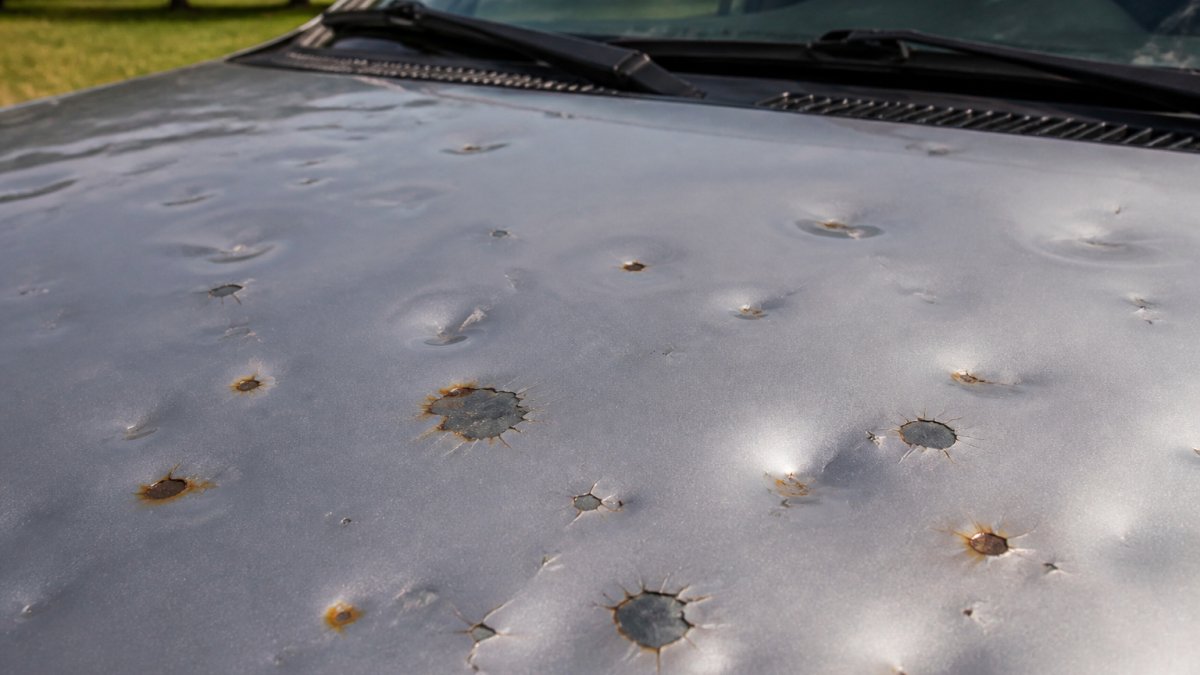
The pattern is consistent: coating failure leads to moisture intrusion, which leads to corrosion or rot, which leads to structural and interior damage. Pursuing hail damage repair quickly interrupts that chain and keeps the repair cosmetic.
Driving With Unrepaired Hail Damage: Safety and Resale Impact
Safety concerns:
- Cracked windshields reduce visibility and structural integrity during collisions
- Damaged door seals allow water intrusion that corrodes electrical systems
- Rust weakens metal panels and structural support
- Compromised windows may fail unexpectedly
- Brake and suspension components corrode from water exposure
Insurers may refuse to cover accidents if your vehicle has known pre-existing damage you ignored, especially windshield damage that worsens into a full crack.
Resale value impact:
Buyers see unrepaired hail damage and distrust the vehicle, assuming other maintenance was neglected. Visible hail damage costs 10-20% of resale value, sometimes more.
The math is simple: repair hail damage quickly, or lose thousands in resale value.
Professional repair through insurance preserves value.
How to Document Hail Damage for Insurance
Insurers need clear evidence of hail damage and its extent.
Documentation steps:
-
Take photos immediately. Shoot in daylight from multiple angles, wide shots of the overall pattern and close-ups of dents, cracks, rust, and water damage.
-
Record the date and time. Include timestamps showing when photos were taken. This establishes the timeline of damage.
-
Document the hailstorm. Note the date, time, and severity of the storm. Save weather reports or news coverage confirming the hailstorm in your area.
-
Get a professional inspection. Professional inspections document hidden damage photos might miss, protecting your claim if more damage is found later.
-
Keep all receipts and estimates. Save repair quotes, inspection reports, and any correspondence with your insurance company. These create a complete record.
-
List all damaged items. For vehicles, note doors, hood, roof, windows, trim, and water-intrusion issues. For roofs, document shingles, flashing, gutters, and interior water damage.
-
File your claim in writing. Send a formal claim letter with all documentation attached. Include photos, inspection reports, repair estimates, and the hailstorm date.
Insurers process claims faster when documentation is complete. Clear photos prevent disputes about damage extent, and inspection reports establish credibility.
Hail Damage Repair Timeline and Next Steps
Acting quickly means repairs happen before secondary damage occurs.
Typical timeline:
- Day 1-3: Report damage to insurance. Submit documentation. Get claim number.
- Day 4-7: Insurance adjuster inspects damage. Approves repair estimate.
- Day 8-14: Repair begins. For vehicles, paintless dent repair depends on damage severity. For roofs, repair depends on damage severity.
- Day 15-21: Repairs complete. Insurance final inspection. Payment processed.
Minor vehicle damage might be repaired in 2-3 days; major roof damage might take a week.
Next steps after hailstorm:
- Call your insurance company today. Report the damage verbally. Get a claim number.
- Take comprehensive photos from multiple angles.
- Contact 888 PDR for a free professional inspection. We document all damage and handle insurance communication.
- Submit your claim with complete documentation within your policy deadline.
- Approve repairs as soon as insurance authorizes them.
- Schedule repairs immediately. Do not delay.
We handle the entire insurance process at 888 PDR.
Hail damage worsens every day it remains unrepaired.
National Association of Insurance Commissioners guidance on hail damage claims
Federal Trade Commission consumer protection information on insurance claims
American Society of Home Inspectors resource on roof hail damage assessment
Frequently Asked Questions
Can hail damage get worse if you wait to repair it?
Yes. Hail damage worsens significantly over time. Water enters through cracks in paint and dents, causing rust and corrosion within weeks. Exposed metal oxidizes quickly, compromising the structural integrity of panels. Hidden damage like microfractures in glass and misaligned panels can lead to leaks and mechanical issues. The longer you wait, the more expensive the repair becomes and the greater the risk to your vehicle's value and safety.
How long can you wait to file a hail damage claim?
Most insurance policies require you to file a claim promptly, typically within 30 to 90 days of the storm event, though some carriers allow up to one year. Waiting too long can result in claim denial, especially if the insurer argues that delay allowed damage to worsen or additional damage to occur. Check your policy details immediately after a hailstorm and contact your insurance company within days to protect your coverage and establish the storm as the cause of damage.
Does hail damage affect a car's resale value?
Unrepaired hail damage significantly reduces resale value. Buyers see visible dents, paint chips, and potential hidden damage as red flags for costly repairs. Rust and corrosion lower value further. Paintless dent repair preserves your factory finish and resale value by removing dents without fillers or repainting. Repairing damage promptly, ideally within weeks, prevents deterioration and maintains the vehicle's market appeal and price.
What should you do immediately after hail damages your car?
First, document all visible damage with photos and video from multiple angles. Contact your insurance company within 24-48 hours to file a claim and get a claim number. Avoid driving in heavy rain until repairs are made to prevent water intrusion. Get a professional damage assessment to identify hidden damage like microfractures in glass and misaligned panels. Schedule repairs as soon as possible, waiting increases the risk of rust, corrosion, and mechanical problems that compound the original storm damage.