
Quick Summary
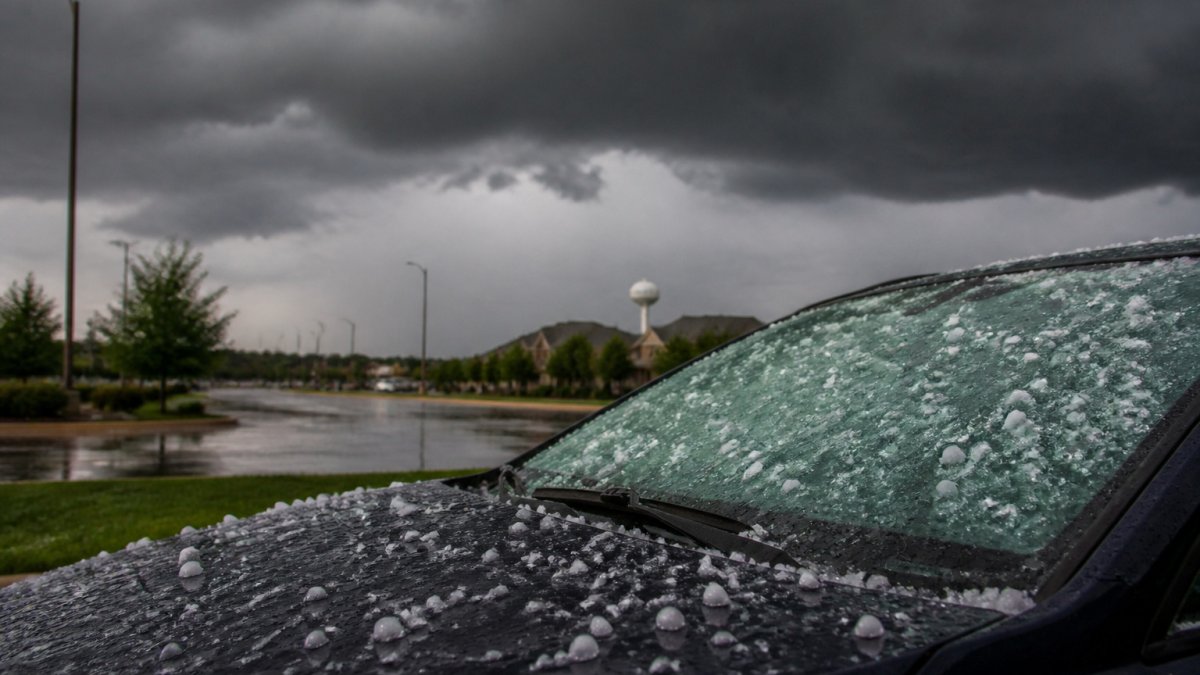
Dallas weather patterns drive many auto insurance claims, especially from hail, flooding, and wind that damage parked cars. Because insurers pay for these losses across the pool, severe storm seasons can push premiums up for all drivers. Comprehensive coverage is usually the part of your policy that responds to weather damage.
- Hail is the biggest weather threat to vehicles in the Dallas-Fort Worth area.
- Spring and early summer often bring the most severe storms, with hail arriving quickly.
- Most weather claims fall under comprehensive coverage, not collision.
- Collision coverage does not cover hail or flood damage, so a hail claim may be denied without comprehensive.
- Photograph every panel before cleaning or repairing, and report the claim promptly.
Table of Contents
- Why Dallas Weather Drives Auto Insurance Risk
- How Severe Weather Creates Vehicle Claims
- Comprehensive vs Collision Coverage for Weather Damage
- Why Weather Claims Push Premiums Up
- Step-by-Step: Filing a Hail Damage Insurance Claim
- What to Do If Your Weather Claim Is Denied or Underpaid
- Booking Your Paintless Dent Repair After a Storm
- Frequently Asked Questions
Why Dallas Weather Drives Auto Insurance Risk
Last Updated: November 2, 2026
Dallas weather patterns can turn an ordinary commute into an expensive problem. A single afternoon hailstorm can dent hundreds of cars in one neighborhood, and insurers pay for every one of them. That is why weather patterns affect Dallas auto insurance more than most drivers expect. Hail, flooding, and wind all feed into the claims that shape what you pay each year.
Auto insurance is a pool. Premiums reflect how much the pool pays out, and severe weather drives a large share of those payouts in North Texas. Understanding that link helps you make smarter choices about coverage and claims.
Hail, flooding, and wind across the Dallas-Fort Worth area
Hail is the biggest weather threat to vehicles in this region. Hailstones can dent hoods, roofs, and doors within minutes. Flooding is another risk, since water can damage engines and electronics. Strong winds can also topple trees and throw debris onto parked cars.
- Hail: Dents, cracked glass, and cosmetic damage across the whole vehicle
- Flooding: Water in the engine, interior, and electrical systems
- Wind: Falling limbs, flying debris, and damaged body panels
Each of these risks can trigger a comprehensive claim, which is why coverage choices matter.
Seasonal patterns that raise your exposure
Weather risk in Dallas is not constant. Spring and early summer often bring the most severe storms, with hail arriving quickly and with little warning. Late spring storms can be especially damaging because cars are parked outdoors during peak storm season.
Flash flooding can strike after heavy rain, even when the sun is out nearby. Drivers who park in low-lying areas or under trees face higher exposure. Knowing when your risk peaks helps you plan parking, coverage, and what to do after a storm.
How Severe Weather Creates Vehicle Claims
Severe weather creates vehicle claims when a storm damages a car that is parked or driving in its path. Most weather claims fall under comprehensive coverage, not collision. The damage comes from the environment, not from a crash with another vehicle.
A typical hail claim starts after the storm passes. The owner notices dents, files with the insurer, and an adjuster inspects the car. The insurer then decides how much to pay, minus the deductible. Repair costs depend on the number and size of dents and the panels affected.
Common weather claims include:
- Hail dents on the roof, hood, and doors
- Cracked or shattered windshields and windows
- Flood damage to the engine or interior
- Crushed or scratched panels from falling branches
Each claim adds to the insurer's total losses for that storm season, which connects individual claims to broader premium trends.
Comprehensive vs Collision Coverage for Weather Damage
Comprehensive coverage pays for damage that does not come from a collision. That includes hail, flood, wind, fire, theft, and falling objects. For weather damage in Dallas, comprehensive is usually the coverage that responds.
Collision coverage pays when your car hits another vehicle or an object such as a guardrail or pole. It does not cover hail or flood damage. If you carry only collision, a hailstorm claim may be denied outright. Comprehensive coverage is necessary to address these specific losses, which requires following the proper procedure for a storm damage insurance claim.
Key differences to check on your policy:
- Comprehensive: Hail, flood, wind, theft, vandalism, animal strikes
- Collision: Crashes with other cars or fixed objects
- Deductible: The amount you pay before coverage begins, often different for each coverage type
Review your declarations page to confirm both coverages and their deductibles. A higher comprehensive deductible lowers your premium but raises your out-of-pocket cost after a storm.
Why Weather Claims Push Premiums Up
Weather claims affect premiums in two ways. First, your own claim history can change your rate at renewal. Second, large storm seasons can drive insurers to adjust rates across an entire region.
When many policyholders file hail claims in the same year, insurers pay out more than they expected. To cover those costs, they may raise rates for all drivers in affected areas.
Individual claims and broader rate changes are separate effects. Learn how insurers count repeat claims in our guide to multiple hail claims and your policy. A single claim may raise your rate, while a bad storm season raises rates for everyone.
Insurers also consider risk exposure. Areas with frequent hail may see higher comprehensive premiums because the chance of a claim is higher.
Step-by-Step: Filing a Hail Damage Insurance Claim
A hail claim is usually straightforward, but the details you handle in the first 48 hours often determine whether the settlement covers the full repair. The sequence below reflects how these claims typically move from storm to payment.
- Secure the vehicle and avoid making it worse. Move the car under cover if you can. Do not drive with a cracked windshield or a damaged window that could shatter. If water got inside, do not start the engine, starting a flood-damaged car can turn a repairable vehicle into a total loss and complicate the claim.
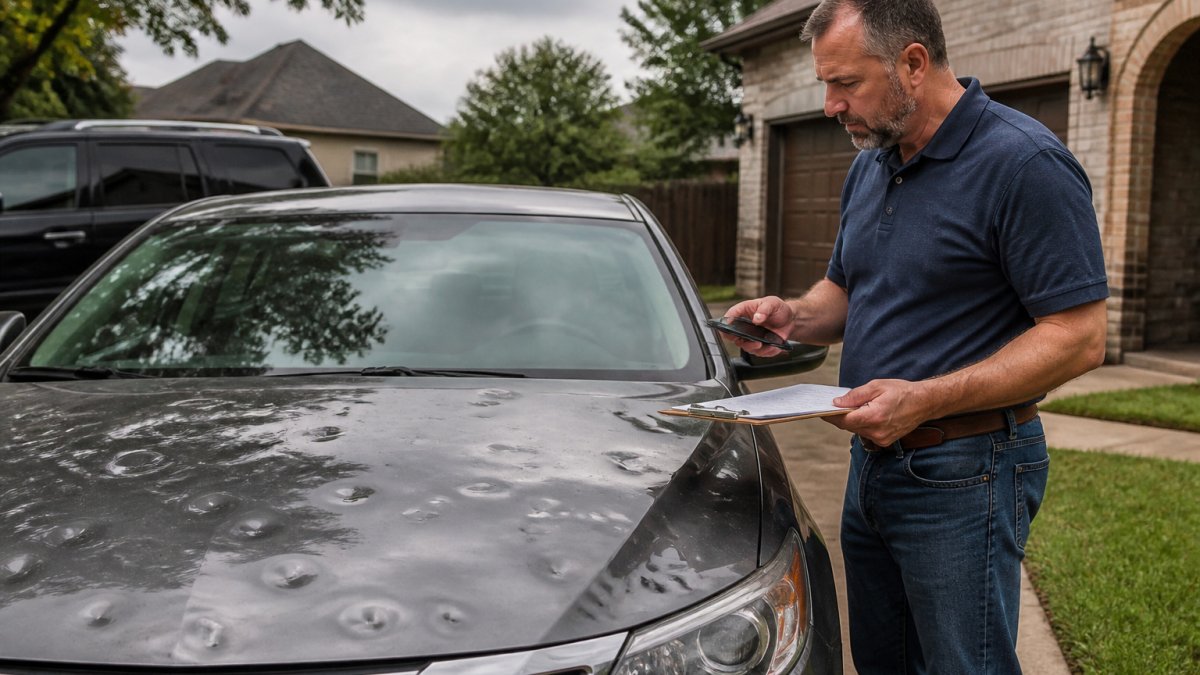
- Document before you clean or repair anything. Photograph every panel in daylight from multiple angles, plus close-ups of individual dents and any cracked glass. Our guide to what photos and records to keep lists exactly what to gather before you file. Include a wide shot that shows the car in its parking spot so the location is clear. Keep the photos even after the claim closes.
- Record the storm details. Note the date, approximate time, and where the car was parked. If neighbors had damage too, that context can help confirm the cause. Insurers commonly ask when the damage occurred and whether the car was parked or moving.
- Report the claim promptly. Call your insurer or file through its app. Confirm that comprehensive coverage is active, ask what your comprehensive deductible is, and ask whether the policy has any separate wind or hail deductible. Some policies apply a different deductible to certain storm perils, so confirm the number before you assume the payout.
- Attend the adjuster inspection and point out every dent. Walk the car with the adjuster and identify panels you found damage on. If you cannot be there, ask a trusted shop to inspect first so you have your own list.
- Understand how the estimate is built. A hail estimate typically prices repair by panel, counting dents and factoring in whether the panel can be repaired with paintless dent repair or needs conventional bodywork and paint. The number of dents, their size, and their location on body lines all affect the method and the cost.
- Get your own written estimate. Ask a repair shop you trust for a written estimate you can compare with the insurer's. If the shop finds damage the adjuster missed, it can request a supplement, an additional payment to cover the added work. Supplements are a normal part of the process, not a confrontation.
- Review the settlement before you accept. Compare the payout to your estimate, confirm the deductible was applied correctly, and ask about rental reimbursement if your policy includes it. If something is unclear, ask for the explanation in writing.
Watch out: The most common self-inflicted setback is authorizing repairs or cashing a settlement check before the full scope is documented. Once repairs begin, missed damage is much harder to add to the claim.
A second common pattern is delay. Waiting weeks to report can make it harder to tie the damage to a specific storm and can slow down a rental.
The table below lists the main steps for filing a hail damage claim, with what to do and when.
| Step | What to do | Timing |
|---|---|---|
| Secure the vehicle | Move the car under cover and avoid driving with damaged glass | Immediately after the storm |
| Document damage | Photograph every panel and close-ups of dents and cracks before cleaning or repairing | Before any repair work |
| Record storm details | Note the date, approximate time, and parking location | As soon as possible |
| Report the claim | Call the insurer or file via app, and confirm comprehensive coverage and deductible | Promptly, not weeks later |
| Attend inspection | Walk the car with the adjuster and point out every dent | At the adjuster visit |
| Get your own estimate | Obtain a written estimate and request a supplement if damage was missed | Before accepting the settlement |
| Review settlement | Compare payout to estimate and confirm the deductible was applied | Before accepting payment |
What to Do If Your Weather Claim Is Denied or Underpaid
A denial or low payout is frustrating, but you have options. Start by asking the insurer for the exact reason in writing. Check whether your policy includes comprehensive coverage and whether the damage matches the covered cause.
If the payout seems too low, compare it with a detailed repair estimate. Point out any missed damage and ask the adjuster to reinspect. Our guide to getting insurance to approve dent repair walks through working with adjusters on exactly this.
You can also request a second inspection or ask a repair shop to supplement the claim with new findings. Keep copies of every email, letter, and call note. If the dispute continues, your state insurance department can answer questions about how claims should be handled.
Booking Your Paintless Dent Repair After a Storm
After a hail storm, paintless dent repair (PDR) is often the fastest way to restore your car. Read about Dallas hail damage repair and how PDR works with insurance claims. PDR removes dents without filler or repainting, which keeps the factory finish intact.
At 888 PDR, we handle the claim from first notice of loss through final payment and offer a lifetime warranty on our repairs. We also offer vehicle pickup and delivery and rental assistance, so you can keep working while your car is repaired.
Pricing depends on quantity, dates, and delivery, so we recommend requesting a free inspection for an accurate quote. Call (469) 284-0336 or visit our website to book your inspection and get a free quote.
Frequently Asked Questions
Does a weather-related accident count as an at-fault claim?
Usually not. Damage from hail, flooding, wind, or falling objects is generally handled under the comprehensive portion of an auto policy, not as an at-fault collision claim. Comprehensive claims typically do not affect your driving record the way at-fault collisions do, though claim history can still be reviewed when your policy renews. Your deductible applies, and the amount you pay depends on your specific policy terms. Check your declarations page or ask your agent to confirm how your policy treats weather losses.
Will filing a hail damage claim increase my insurance rates?
It can, but the effect varies by insurer, state rules, and your claim history. Many carriers weigh comprehensive claims less heavily than at-fault collisions, and some do not raise rates for a single weather claim. Insurers also adjust rates across a region after widespread losses, so a premium change may reflect local storm activity rather than your claim alone. Ask your carrier how a comprehensive claim would be treated before you file.
What is the difference between comprehensive and collision coverage for weather damage?
Comprehensive coverage pays for damage from non-collision events such as hail, flooding, windstorms, falling trees, and theft. Collision coverage pays for damage from hitting another vehicle or object, including a flipped car or a crash caused by a storm. Hail damage to your roof and body panels generally falls under comprehensive. If you carry only liability coverage, weather damage to your own car is typically not covered at all, so review your policy before storm season.
Why is auto insurance so high in Texas?
Texas auto premiums reflect several factors, including frequent severe weather that produces large comprehensive claims, high traffic density in metro areas like Dallas and Fort Worth, and repair costs for modern vehicles that contain sensors and advanced materials. When hail storms damage many cars in one area, insurers pay out heavily and may adjust rates for that region. Your own premium depends on your driving record, coverage levels, vehicle, and location.
