
Table of Contents
- DIY vs. Professional: Choosing the Right Fix for Parking Lot Dings
- Assess the Ding: Paint Damage and Dent Depth
- DIY Car Dent Removal Tools That Actually Work
- Step-by-Step: How to Fix Parking Lot Dings at Home
- When to Skip DIY and Call a Professional
- Paintless Dent Repair Cost 2026 and Timeframes
- How Long Does Paintless Dent Repair Take?
- Preventing Future Parking Lot Dings
- Frequently Asked Questions
Last Updated: September 7, 2026
DIY vs. Professional: Choosing the Right Fix for Parking Lot Dings
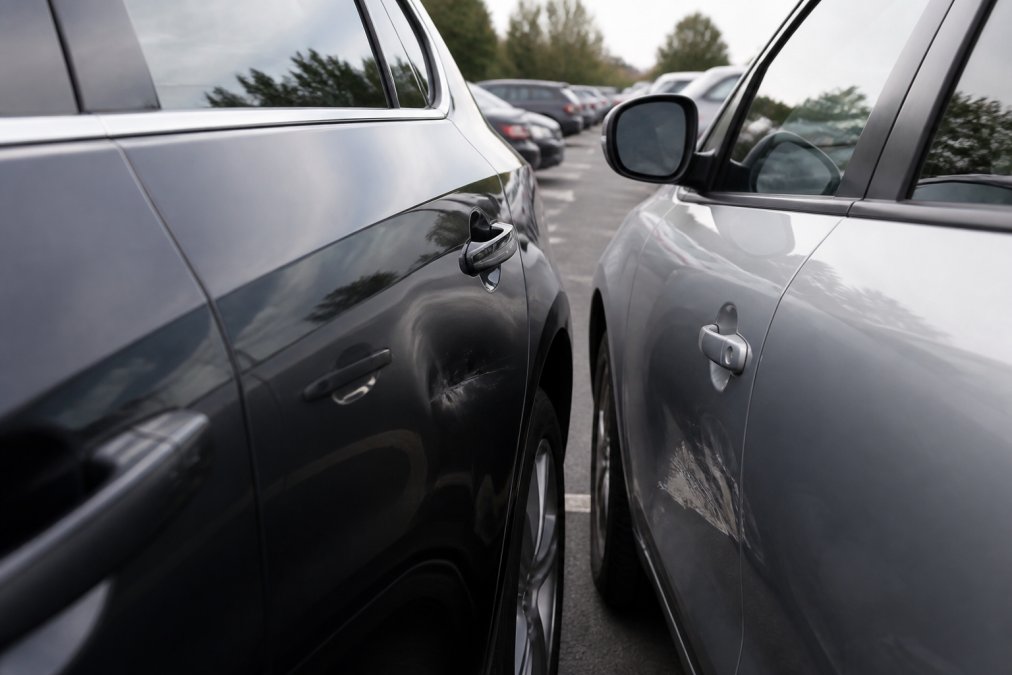
A parking lot ding is the most common cosmetic car damage most owners face, yet few know how to fix parking lot dings without making things worse. The right approach depends on whether the paint is still intact. At 888 PDR, we specialize in paintless dent repair, which preserves your vehicle's original factory finish and resale value.
The decision comes down to three variables: dent depth, paint condition, and your tolerance for risk. A shallow impression on a flexible plastic bumper is a reasonable DIY candidate; a sharp crease on a steel door panel with cracked paint is not.
Assess the Ding: Paint Damage and Dent Depth
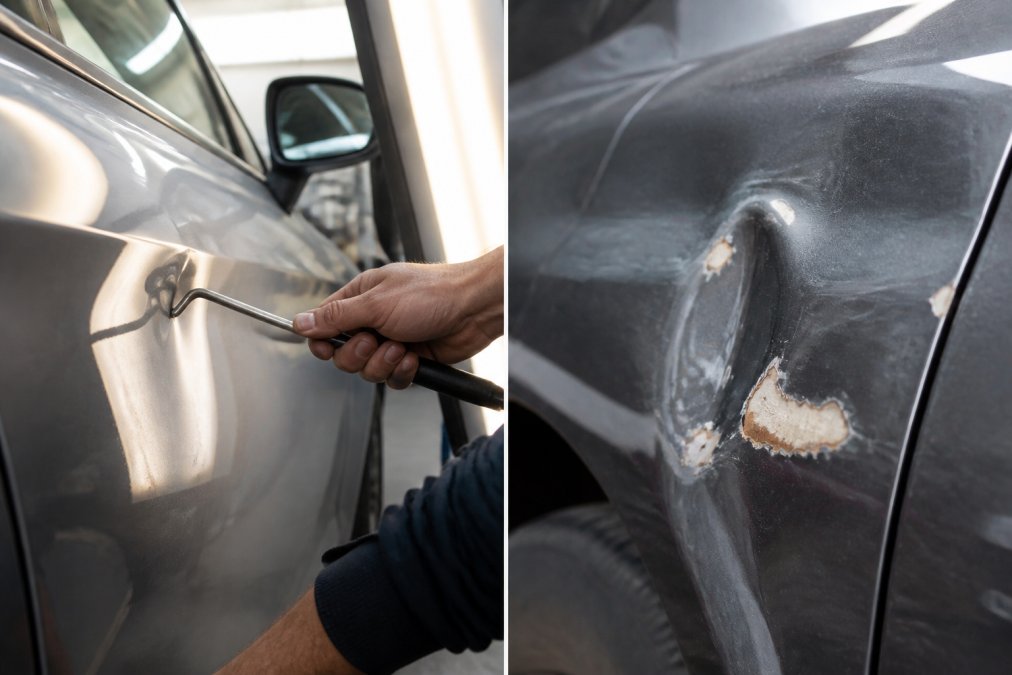
Paintless dent repair is the process of massaging metal or aluminum back to its original shape from behind the panel, without fillers or repainting. Before deciding how to fix parking lot dings, assess two things: whether the clear coat and paint are cracked, and how deep the dent actually is.
Check the damage in bright, direct sunlight. Run a clean fingertip over the ding. If you feel a sharp edge or see spider-web cracks in the clear coat, the paint barrier is broken, and any DIY pulling method will worsen the cracking and expose bare metal to moisture. If the paint is smooth and unbroken, measure the dent depth: deeper than a quarter-inch or a crease rather than a smooth depression means DIY tools will likely fail.
DIY Car Dent Removal Tools That Actually Work
For small, shallow dings with intact paint, a few DIY car dent removal tools deliver acceptable results: suction cup pullers, hot glue pullers, and specialized kits with metal rods and lifting tabs. But the tool that works on one panel may fail on another, because modern vehicles use a mix of steel, aluminum, and plastic body panels, and each material responds differently to pulling force and heat.
- Suction cup puller: Works best on large, shallow dents on flat surfaces like hoods and roofs. The dent must be smooth with no sharp creases. On steel panels, a suction puller can often lift a shallow impression in a few attempts. On aluminum hoods, the metal is softer and more prone to stretching, so a suction puller can easily overcorrect and leave a slight bulge. On plastic bumpers, suction alone rarely works because the material flexes rather than holds the pull.
- Hot glue puller kit: These kits include a hot glue gun, pulling tabs, and a slide hammer. The glue bonds to the paint, and the hammer gently pulls the metal outward. Best for small to medium dings on doors and fenders. On steel, glue pullers are the most forgiving DIY option because you control the force. On aluminum, the risk is different: aluminum does not 'remember' its shape as well as steel, so a glue puller can lift the dent but leave the surrounding area slightly deformed. On plastic panels, heat from the glue gun can soften the plastic enough that the tab pulls a dimple outward, but you must work quickly before the glue cools.
- Dent removal kit with metal rods: These require removing interior trim to access the back of the panel. Rods are used to push the metal out from behind. This is the most effective DIY approach but also the most technically demanding. Rods work well on steel doors and quarter panels where you can reach the inner structure. On aluminum panels, rods require even more finesse because the metal work-hardens quickly; too much pressure creates a high spot that is nearly impossible to flatten without professional tools. On plastic panels, rods are useless because there is no structural backing to push against.
A common mistake is buying a cheap kit and expecting professional results. Most DIY kits struggle with dents near panel edges, body lines, or in high-strength steel areas, which is up to three times stiffer than conventional steel and will not move with hand tools. They also cannot address metal fatigue.
If you are unsure whether your panel is steel or aluminum, hold a small magnet to the panel. A magnet sticks firmly to steel but will not stick to aluminum or most plastic body panels.
Step-by-Step: How to Fix Parking Lot Dings at Home
If your assessment confirms the paint is intact and the dent is shallow, here is a practical step-by-step method for fixing parking lot dings with a hot glue puller kit.
Step 1: Clean the area thoroughly. Wash the panel with soap and water, then wipe with isopropyl alcohol to remove all wax and residue.
Step 2: Heat the panel gently. Use a heat gun on a low setting, keeping it moving constantly. Do not overheat; if the panel is too hot to touch, you risk damaging the clear coat.
Step 3: Apply the glue and pulling tab. Apply a dime-sized amount of hot glue to the center of the dent, press the tab firmly into the glue, and let it cool completely. This takes two to three minutes.
Step 4: Pull with steady pressure. Attach the slide hammer and pull with controlled, even force. Work gradually, pulling a little, checking your progress, and repeating. The goal is to lift the metal slowly without overcorrecting.
Step 5: Remove the tab. Twist the tab gently to break the glue bond, then peel off any remaining glue with your fingers. Do not use a putty knife, which will scratch the paint.
Step 6: Evaluate and repeat if needed. Small dings may require two or three pulling cycles. If you see the paint beginning to stress or the metal not moving, stop. You have reached the limit of what DIY can achieve.
When to Skip DIY and Call a Professional
There are clear situations where DIY methods fail and professional help is required. The most obvious is when the paint is damaged: any crack, chip, or scratch means moisture can reach bare metal and cause rust.
Dent depth and location also matter. Dents deeper than roughly a quarter-inch, or those on sharp body lines, door edges, or near structural reinforcements, require specialized tools and experience (i-car.com). The metal in these areas is often stronger or reinforced, and amateur pressure can cause the panel to flex in the wrong direction, creating a larger damaged area.
Another reason to call a professional is the risk of metal fatigue. When metal is stretched by an impact, it does not always return to its original shape with simple pulling. A professional technician uses specialized rods and techniques to work the metal gradually. Most owners find that a failed DIY attempt on a moderate dent ends up costing more, as the technician must first undo the damage caused by the attempt.
Paintless Dent Repair Cost 2026 and Timeframes
Paintless dent repair cost 2026 varies widely based on dent size, depth, location, and the number of dings being repaired. A single small parking lot ding typically costs far less than a full panel repair. Because we do not quote prices without inspecting the vehicle, request a free inspection and quote from a reputable PDR shop.
| Repair Scenario | Typical Approach | Timeframe | Best For |
|---|---|---|---|
| Small, shallow ding on door panel | DIY hot glue puller | 1-2 hours | Confident beginners with intact paint |
| Moderate ding near body line | Professional PDR | 1-3 hours | Owners who want factory finish preserved |
| Deep dent or crease with paint damage | Body shop repair | 1-3 days | Structural or paint damage cases |
| Multiple dings from a hail event | Professional PDR | 1-5 days | Comprehensive insurance claims |
Many insurance policies cover parking lot dings under comprehensive coverage, though the deductible may exceed the repair cost (iii.org). Check whether your policy includes ding protection or waives deductibles for minor cosmetic damage. For hail damage, professional shops often handle the insurance claim directly.
How Long Does Paintless Dent Repair Take?
Paintless dent repair for a single parking lot ding typically takes one to three hours, depending on the dent's depth, location, and the technician's access to the back of the panel. Most single-ding repairs are completed within a single appointment.
For vehicles with multiple dings, such as those from a hail event or a shopping cart incident down an entire door panel, the repair takes longer. A full panel with several dings may require a full day, while an entire vehicle with hail damage can take several days.
Preventing Future Parking Lot Dings
Prevention is far cheaper than any repair. The most effective strategy is parking position: choose end spots away from cart corrals, park next to newer or well-maintained vehicles, and avoid parking next to minivans and large SUVs with children.
Consider installing door edge guards or clear paint protection film on high-risk areas like door edges and the front bumper. Parking at the far end of a lot, while less convenient, dramatically reduces the risk of door dings from neighboring vehicles.
If you do get a ding, address it promptly. Waiting allows moisture to work into any micro-cracks in the paint, and the longer you wait, the harder the repair becomes. A quick professional assessment, often free, tells you whether you have a simple cosmetic issue or developing rust.
Once the ding is repaired, whether by DIY or a professional, the repair area needs protection to prevent future damage and oxidation. Here is a practical post-repair routine:
- Wash and dry the area within 24 hours. Any residue from glue pullers, polishing compounds, or metal rods can etch the clear coat if left on. Use a pH-neutral car wash soap and a microfiber towel.
- Apply a paint sealant or synthetic wax within a week. A quality sealant fills microscopic imperfections in the clear coat and creates a slick surface that helps minor impacts slide off rather than grab. A polymer sealant lasts longer than a traditional carnauba wax.
- Reapply wax every season. Clear coat is your first defense against moisture. A ding that breaks the clear coat exposes bare metal to oxygen and water, and rust can begin forming within days in humid climates. A fresh layer of wax on the repaired panel reduces the chance that a new ding will penetrate to bare metal.
- Inspect the repaired area monthly. Look for signs of clear coat lifting, tiny bubbles, or discoloration. These indicate that the repair did not fully seal the paint, and catching it early means a simple touch-up rather than a repaint.
A common oversight is ignoring the inside of the panel. If you accessed the back of the panel for a rod-based repair, check that you did not scrape off any anti-corrosion coating. If you did, apply a touch-up rust inhibitor to the bare metal before reinstalling the trim.
Finally, consider your insurance options. Many comprehensive policies cover parking lot dings, but the deductible often exceeds the repair cost. Some insurers offer a 'ding waiver' or 'small dent forgiveness' endorsement that waives the deductible for minor cosmetic damage. A quick call to your agent can clarify whether you have this coverage.
Frequently Asked Questions
Does insurance cover door dings in parking lots?
Yes, your auto insurance may cover parking lot dings under the collision or comprehensive portion of your policy, but you'll typically pay your deductible first. Since a claim can raise your future premiums, small dings often cost less to repair out of pocket than the deductible itself. For larger damage or multiple dings, filing a claim makes more sense. Contact your agent to confirm your specific coverage details before deciding.
Are door dings worth fixing?
Yes, fixing door dings protects your car's resale value and prevents future rust or paint issues. Even small dings can lower a trade-in offer by hundreds of dollars. Paintless dent repair is cost-effective for minor dings because it preserves your factory finish and typically takes less time than traditional bodywork. Ignoring a ding leaves the door panel vulnerable to further damage and makes the car look neglected.
Can you fix a dent without paint damage?
Yes, if the paint isn't cracked or chipped, paintless dent repair (PDR) removes the ding without sanding, filler, or repainting. A PDR technician uses specialized tools to massage the metal back to its original shape from behind the panel. This process preserves your car's factory finish, which maintains its value. If the clear coat is scratched or the paint is chipped, the repair becomes more involved and may require touch-up paint.
Is paintless dent repair better than a traditional body shop?
For parking lot dings without paint damage, paintless dent repair is usually the better choice. PDR preserves your factory finish, costs less than traditional bodywork, and is often completed in a fraction of the time. Traditional body shops use filler and repaint the panel, which can lead to color mismatch and lower resale value. However, a body shop is necessary when the paint is damaged or the dent is too severe for PDR techniques.