Quick Summary
Hidden costs in auto body repair are charges for damage that a basic visual inspection cannot see, such as bent frame parts, cracked brackets, and sensor damage. They usually surface during teardown, when panels and trim are removed, and they often appear as a supplement that raises the original estimate.
- Ask for photos and written reasons for every added line on a supplement before work continues.
- Ask the shop to label each added item as required for safety, required for function, or cosmetic.
- Set a dollar threshold in writing so the shop must call you before any charge above it.
- Confirm whether diagnostic scans and ADAS sensor calibration are included or listed as separate charges.
- Ask which supplement lines your insurance carrier approves and which are customer-pay.
Table of Contents
- Why Auto Body Repair Estimates Change After Work Begins
- Hidden Damage Repair Estimate: What Teardown Reveals
- Itemized Checklist of Common Hidden Charges
- How to Read an Auto Body Repair Estimate Line by Line
- Supplemental Insurance Estimate: When It Is Legitimate and When to Question It
- ADAS Calibration Cost and Sensor Work After Collision Repair
- Preparing Your Next Step Before Authorizing Repairs
- Frequently Asked Questions
Why Auto Body Repair Estimates Change After Work Begins
Last Updated: November 18, 2026
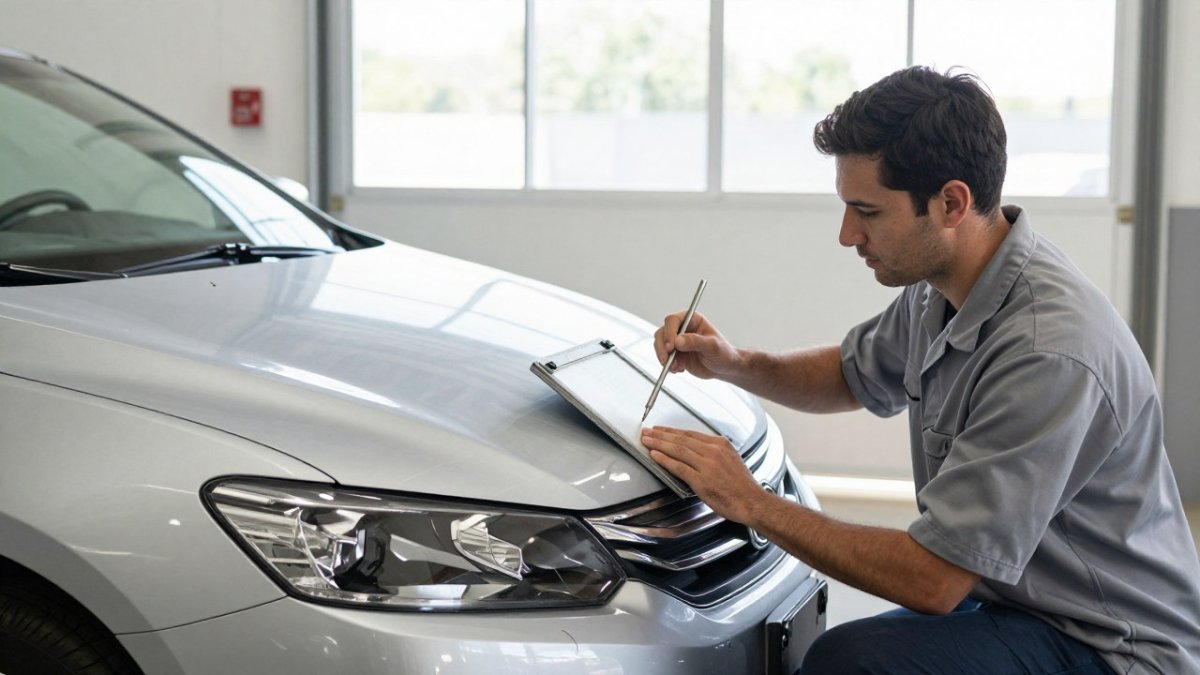
A dent looks simple from the outside. Once a technician starts working, the real damage often shows up.
The first estimate is usually based on a visual inspection.
Common reasons estimates change include:
- Hidden structural damage behind the panels
- Broken brackets or clips that hold parts in place
- Sensors and cameras that were knocked out of position
- Parts that cannot be repaired and must be replaced
A minor impact can send force through several areas, which can create hidden costs no one expected.
Insurance adjusters often write the first estimate from photos or a quick walk-around.
Watch out: Do not let work start on a vehicle without a written list of what is being fixed and the expected cost.
Hidden Damage Repair Estimate: What Teardown Reveals
Hidden costs come from harm you cannot see during a basic inspection.
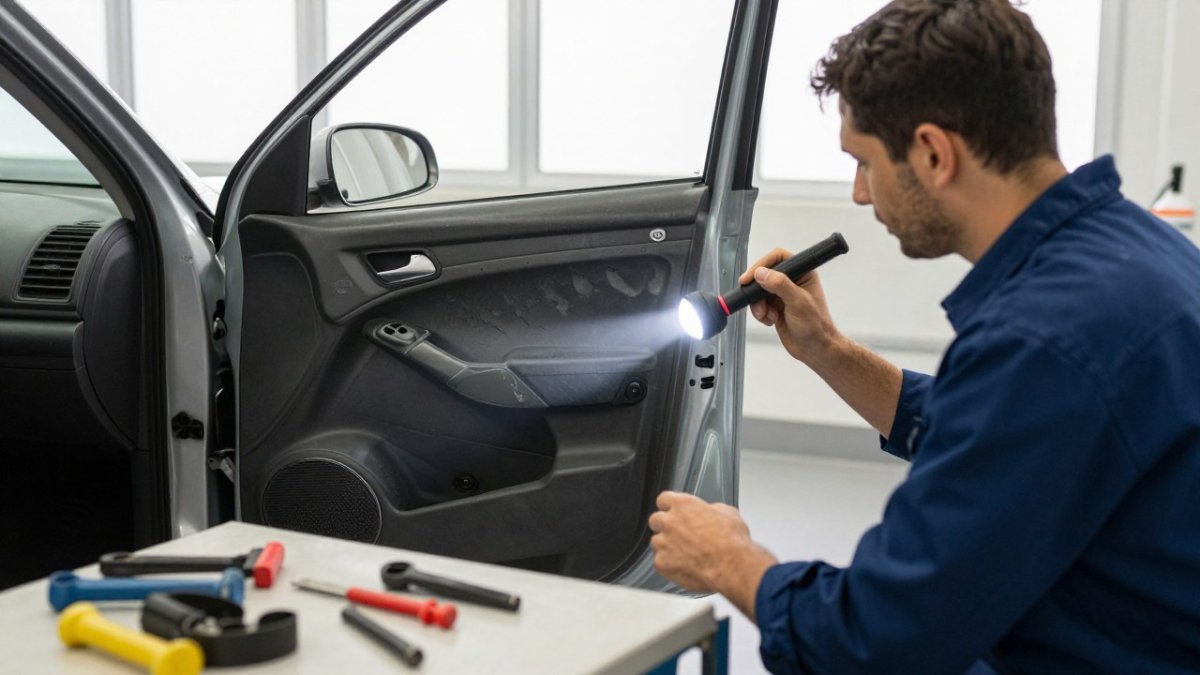
Teardown means taking apart the damaged area so the technician can see behind the surface.
What teardown often uncovers:
- Bent support beams or frame sections
- Cracked plastic brackets and clips
- Damaged wiring harnesses
- Sensors or cameras that need calibration
A good shop will photograph what it finds and explain each item. Ask for those photos. They give you a clear record of why the estimate changed.
Ask the shop for a hidden damage repair estimate whenever a teardown is planned. Check whether the repair is transparent by reviewing is PDR pricing transparent.
Itemized Checklist of Common Hidden Charges
Use this checklist to review any supplement or revised estimate.
Likely line items (appear on most supplements after a moderate hit)
- Mounting brackets and clips, cost depends on the part and labor involved. Plastic brackets can crack on impact and are often not visible until the bumper cover comes off.
- Bumper reinforcement bar or energy absorber, cost depends on the part and labor involved. A low-speed impact can damage the absorber without cracking the cover.
- Additional paint and refinishing, cost depends on the panel and whether the shop blends into adjacent panels for a color match.
- Diagnostic scan, cost varies. Often needed on newer vehicles to read stored collision codes before and after repair.
- Wiring harness repair or replacement, cost depends on the harness and labor involved. Harnesses routed behind bumper covers and fenders can be pinched in a collision.
Damage-dependent supplements (appear only when teardown confirms the damage)
- Structural or frame straightening, cost depends on the number of pull points and whether the shop uses a dedicated frame rack. Ask for before-and-after measurements against factory specs.
- Suspension components, control arms, tie rods, struts, and knuckles vary in cost by part, and a four-wheel alignment is typically needed once the repair is complete.
- Cooling system parts, radiator supports, condensers, and fan shrouds vary in cost. A front hit that misses the bumper can still push the radiator support back.
- Sensor and camera replacement, cost depends on whether it is a parking sensor, forward camera, or radar unit.
- ADAS recalibration, cost varies by system, and some vehicles require a static calibration in a controlled space with target boards.
- Supplemental restraint system (SRS) components, seat belt pretensioners and airbag modules vary in cost by position. A pretensioner that fired must be replaced, not reset.
How to triage the list
Ask the shop to label each item as required for safety, required for function, or cosmetic. Safety items, frame alignment, SRS components, brake and suspension parts, should be approved first.
Watch out: a supplement that lists a part as "miscellaneous hardware" or "shop supplies" without a line-item price is a common place for padded charges to hide.
Structural and Frame Damage
Structural damage affects the core of the car. A frame or support that is out of alignment can affect how the vehicle protects you in a later crash, and it can also cause uneven tire wear and steering pull that shows up months later.
Frame work often takes extra labor hours, and a multi-point repair can add more. If the shop recommends this work, ask for the measurements, the target specs, and the final alignment report.
Suspension, Brackets, and Mechanical Parts
A strong impact can bend suspension parts or crack the plastic brackets that hold other components. These parts affect steering, ride comfort, and tire wear.
Mechanical damage is easy to miss on a quick look. Ask the shop to check the suspension and bracket points during the first teardown, not after the car is half apart.
The checklist below groups the most common supplement items by how often they appear, so you can scan which charges are likely on your estimate.
| Item | Typical trigger | Note |
|---|---|---|
| Mounting brackets and clips | Cracked when impact hits | Often hidden until bumper cover is removed |
| Bumper reinforcement or energy absorber | Low-speed impact | Can be damaged without cracking the cover |
| Additional paint and refinishing | Color blending into adjacent panels | Depends on panel and blend area |
| Diagnostic scan | Stored collision codes | Often needed on newer vehicles |
| Wiring harness repair | Pinched behind bumpers and fenders | Cost depends on harness and labor |
| Structural or frame straightening | Confirmed by teardown | Ask for before-and-after measurements |
| ADAS recalibration | Sensors or cameras moved | Some vehicles need static calibration |
| SRS components | Pretensioner or airbag fired | A fired pretensioner must be replaced, not reset |
How to Read an Auto Body Repair Estimate Line by Line
An estimate is a list of parts, labor, and materials. Reading it line by line helps you spot unclear or repeated charges. To compare methods and pricing, see PDR vs traditional bodywork.
Here is a simple method:
- Check the vehicle details. Confirm the year, make, model, and VIN match your car.
- Review each part. Note whether it is OEM, aftermarket, or salvage.
- Look at labor hours. Each job lists an estimated time. Ask how the time was calculated.
- Find paint and materials. Refinishing and color matching should appear as separate lines.
- Compare the totals. Add the lines to confirm the subtotal, tax, and final amount.
Terms to know:
- OEM parts come from the vehicle manufacturer.
- Aftermarket parts are made by other companies and are often less costly.
- Salvage parts come from used vehicles.
- Labor rate is the hourly charge for repair work.
If a line is unclear, ask for an explanation in writing. A reputable shop will answer each question without pressure.
Supplemental Insurance Estimate: When It Is Legitimate and When to Question It
A supplemental insurance estimate, often called a supplement, is a revised estimate filed after the original claim.
What a legitimate supplement looks like
A supplement is usually legitimate when it reports damage found during teardown, such as bent frame parts, cracked brackets, or sensor damage.
Question a supplement when:
- The added items are not explained or have no part numbers
- Photos are missing, unclear, or show a different area than the line item describes
- The same repair appears on both the original and the supplement
- Labor hours seem high for the work described, or the same operation is billed twice under different names
- The supplement arrives after the work is already complete, leaving you no chance to approve it
Set approval thresholds before work begins
Ask the shop, in writing, to call you before any charge above a threshold you set. Put the threshold in the authorization you sign.
How to dispute an unexpected charge
- Request the revised estimate and the original side by side, with photos for every added line.
- Ask the shop to explain each added item in writing, including the labor operation and the part number.
- Send the supplement to your insurance carrier's claims adjuster for a second review. The carrier has its own interest in not overpaying, and most will re-review a supplement on request.
- If the shop and carrier disagree on scope, ask for a third-party appraisal or a second opinion from another shop before authorizing the work.
- Keep every version of the estimate, every photo, and every email. If the dispute escalates, that file is your evidence.
Deductibles and out-of-pocket exposure
Your deductible does not usually change when a supplement is approved, it is fixed by your policy.
If you are paying out of pocket rather than through a claim, the supplement is between you and the shop alone, and the same documentation rules apply. For a faster look at a damaged panel, you can also compare dent repair alternatives to expensive shop estimates. If an unexpected charge appears, read red flags to spot in insurance claims and learn how insurance subrogation affects vehicle damage before you sign.
ADAS Calibration Cost and Sensor Work After Collision Repair
Modern vehicles use advanced driver-assistance systems, or ADAS. Because recalibration can affect whether these safety features work as intended, collision repair transparency tips can help clarify what checks and adjustments a repair should include.
Calibration is a separate step from body repair. The shop may need specialized equipment and a diagnostic scan to confirm the system works correctly.
Ask these questions before you approve:
- Is a diagnostic scan included?
- Will the sensors be recalibrated, and is that listed separately?
- Does the manufacturer require a specific calibration procedure?
Calibration charges vary widely based on the vehicle and the systems involved. Ask the shop for a written quote for each system.
Keep the calibration report if one is provided. It documents that the system was checked after repair.
Preparing Your Next Step Before Authorizing Repairs
Before you approve any work, take a few simple steps. Ask for the original estimate and every supplement in writing.
Then ask the shop how the claim will be handled and who will contact your insurance carrier. Clear answers now prevent confusion later.
At 888 PDR, we have a family-owned team that works directly with all insurance carriers. We provide a free inspection, a lifetime warranty on repairs, vehicle pickup and delivery, and rental assistance.
Frequently Asked Questions
How do I know if an auto body shop is overcharging me?
Compare the shop's estimate line by line against your insurer's estimate and ask for a written explanation of every added labor hour or part. Legitimate supplements come with photos, a description of what was found during teardown, and specific part numbers. Ask whether the work is required for a safe, correct repair and whether the insurer has approved it. If a charge is vague or cannot be tied to a documented finding, request a reinspection or ask your insurance adjuster to review it before you approve the work.
Can a body shop charge more than the insurance estimate?
A shop can ask for additional payment when hidden damage is found, but that usually happens through a supplement that the insurance carrier reviews and approves. You should not be billed for amounts above the approved estimate without being told first and agreeing to them in writing. Before authorizing any change, confirm with your carrier whether the supplement is covered, what your deductible is, and what portion, if any, you would owe out of pocket.
Are sensor calibrations included in collision repair estimates?
Not always. Advanced driver-assistance system sensors, such as cameras and radar units mounted behind the bumper or windshield, may need recalibration after collision repair. Some initial estimates leave this work out and it appears later as a supplement. Ask the shop whether calibration is included, whether the procedure is required by the vehicle manufacturer, and what the cost is for your specific model before you approve repairs.
What hidden damage can be found after a car is disassembled?
Common findings include bent structural supports, damaged mounting brackets, cracked sensor housings, hidden cooling system components, and suspension parts that were not visible during the first inspection. Because each of these can change the labor hours and parts required, a repair estimate often increases once work begins. Ask the shop to photograph each finding and explain how it affects the repair plan so you can verify the change.
